 blog
blog
Puppy Crate vs Playpen for Apartment Living
Table of Contents
- Crate vs Playpen: What's the Real Difference
- Crate Training a Puppy in an Apartment
- Puppy Crate or Playpen at Night: Which Setup Works
- How Long Can a Puppy Stay in a Playpen
- Best Puppy Playpen for Small Spaces
- Safety, Comfort, and Apartment-Specific Challenges
- Making Your Choice: Crate, Playpen, or Both
- Frequently Asked Questions
Last Updated: October 7, 2026
Crate vs Playpen: What's the Real Difference
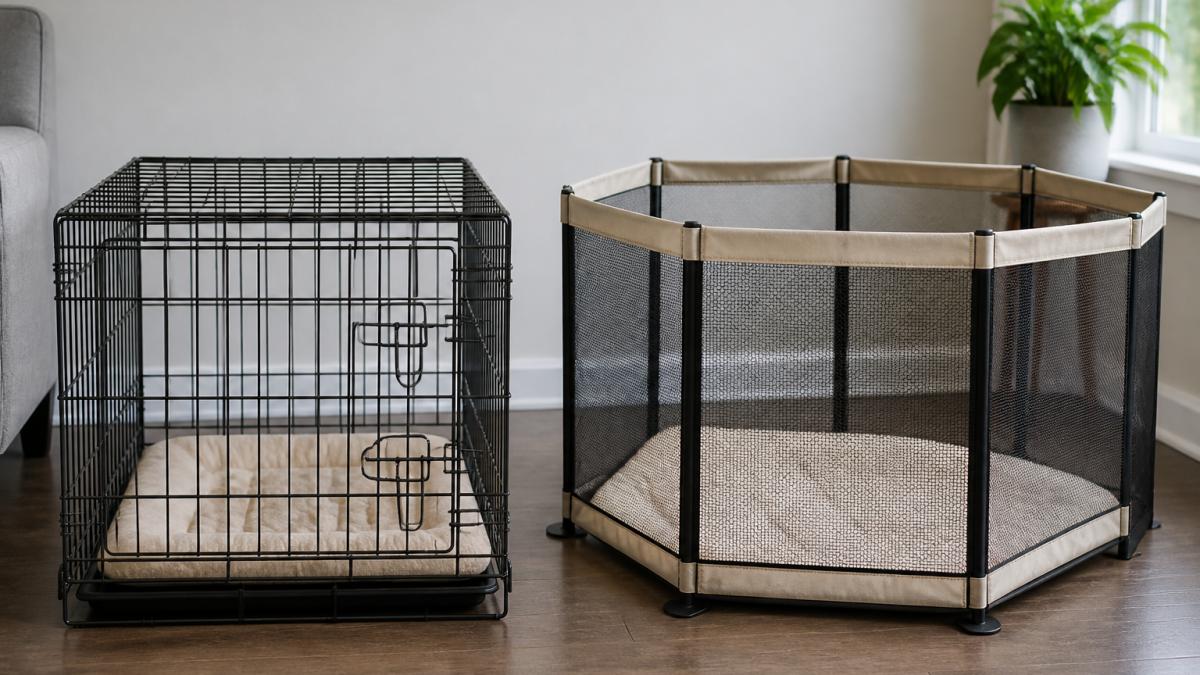
A puppy crate is a confined space designed to give your dog a safe den-like area. A puppy playpen is a larger, open enclosure that lets your puppy move around more freely. Understanding puppy crate vs playpen for apartment living helps you choose the right tool, as both serve apartment living well but solve different problems.
Crates work best for training and short-term confinement. Playpens work best when your puppy needs room to play but you can't supervise directly. Many apartment owners find that combining both gives them the flexibility to handle different situations throughout the day.
The key difference comes down to space and purpose. A crate restricts movement intentionally. A playpen allows movement while still preventing access to hazards. In an apartment where square footage is limited, this distinction matters because you're choosing between a tool for training and a tool for safe play.
Here's what most guides miss: the best setup for apartment living isn't choosing one or the other. It's understanding when to use each one and how they work together in a small space.
Crate Training a Puppy in an Apartment
Crate training teaches your puppy that the crate is a safe, comfortable place, not a punishment. Start by leaving the door open and letting your puppy explore at their own pace. Reward them with treats and praise when they go inside.
Puppies naturally avoid soiling where they sleep, which makes crates powerful for potty training. This is especially valuable in apartments where you need to manage accidents quickly and keep your space clean. The confined space reinforces the habit of holding their bladder until they reach the designated potty area.
How to introduce a crate in an apartment:
- Place the crate in a common living area, not isolated
- Leave the door open for the first few days
- Feed meals inside the crate to build positive associations
- Gradually close the door for short periods while you're present
- Never force your puppy inside or use the crate as punishment
Start with very short confinement periods, just 5 to 10 minutes. Puppies have small bladders and limited patience. Gradually increase time as they grow and adjust. Age matters here: an 8-week-old puppy can typically hold it for about 2 hours, while a 4-month-old can manage 4 hours.
Apartment noise can work against you during crate training. If your puppy barks in the crate and neighbors hear it, you might feel pressure to let them out immediately. Don't. Rewarding barking teaches them that noise gets results. Stay consistent, even when it's uncomfortable.
Puppy Crate or Playpen at Night: Which Setup Works
At night, a crate works better than a playpen for most apartment situations. Here's why: your puppy will cry in a crate, but they'll settle faster because the confined space feels secure.
A crate forces your puppy to hold their bladder, which builds bladder control naturally. This is the fastest path to sleeping through the night. Most puppies can sleep through the night by 3 to 4 months old if you're consistent with crate training.
Position the crate in your bedroom, not another room. Your puppy will cry less because they can sense you're nearby. This also lets you hear when they need a bathroom break in the middle of the night.
Nighttime setup steps:
- Place the crate next to your bed
- Let your puppy use the bathroom right before bed
- Put them in the crate with a soft blanket
- Ignore crying unless it's a genuine emergency
- Take them out immediately if they cry to potty
- Praise heavily when they return to the crate after a bathroom break
Some puppies will cry for 20 to 30 minutes the first few nights. This is normal. Your neighbors might hear it. Expect this and plan for it, most people understand that puppies cry. By week two, most puppies settle much faster because they've learned the routine.
A playpen at night creates confusion because your puppy can't distinguish between sleeping space and potty space. You'll end up with more accidents, not fewer. Save the playpen for daytime use when supervision is possible.
How Long Can a Puppy Stay in a Playpen
A puppy can safely stay in a playpen for 2 to 4 hours, depending on age. Younger puppies (8 to 12 weeks) should spend no more than 2 hours at a time. Older puppies (4 to 6 months) can handle 3 to 4 hours. This rule applies whether you're working from home or away.
The limiting factor is bladder control and mental stimulation. Even if your puppy doesn't have an accident, staying in a playpen too long creates boredom and frustration. A bored puppy in a playpen will try to escape, chew the walls, or bark excessively, all problems in apartment living.
Age-based playpen time limits:
- 8 to 12 weeks: up to 2 hours
- 3 to 4 months: up to 3 hours
- 5 to 6 months: up to 4 hours
- 6+ months: up to 5 hours (with breaks)
If you work from home, use a playpen for 2-hour blocks with breaks between. If you're away, combine a playpen with a dog walker or midday visit to break up the confinement. This matters in apartments because your puppy's stress and noise are contained in a smaller space with neighbors close by.
Best Puppy Playpen for Small Spaces
The best playpen for an apartment is one that folds flat, takes up minimal space when not in use, and gives your puppy enough room to stand, turn around, and lie down comfortably. Look for models with a footprint no larger than 36 inches by 36 inches.
Portable playpens made from lightweight fabric or plastic mesh work well in apartments. They're quiet (unlike metal playpens that rattle), easy to move between rooms, and simple to store. Metal playpens are more durable but noisier and bulkier.
Features to prioritize for apartment living:
- Lightweight and foldable for storage
- Quiet construction (fabric or plastic, not metal)
- Waterproof bottom or removable, washable floor
- At least 24 to 30 inches tall (prevents jumping out)
- Secure locking mechanism (prevents accidental collapse)
Playpens with built-in potty pads or designated bathroom areas are helpful in apartments. Some models have a removable panel on one side so you can attach a crate directly to the playpen. This creates a combined setup: your puppy has a sleeping area (crate) and a play area (playpen) in one unit.
Our selection focuses on compact, quiet options that don't dominate your living space while keeping your puppy safe and secure.
Size matters more than you think. A playpen that's too large takes up half your apartment. A playpen that's too small defeats the purpose. Measure your available space before buying.
Safety, Comfort, and Apartment-Specific Challenges
Safety in an apartment playpen means preventing escape and protecting your puppy from household hazards. Puppies are escape artists. They'll climb, jump, and dig at playpens if they're bored or stressed.
Household hazards in apartments are concentrated. Electrical cables, houseplants, cleaning supplies, and small objects are often within reach. Set up your playpen in a cleared space. Remove anything your puppy can grab through the mesh or over the top.
Comfort means your puppy has a soft place to rest, access to water, and appropriate temperature. Apartments can get warm quickly, especially if sunlight hits the playpen. Never place a playpen in direct sun for extended periods. Your puppy will overheat.
Apartment-specific safety checklist:
- Playpen height is at least 24 to 30 inches
- No gaps where a puppy can squeeze through
- No sharp edges or loose parts
- Space is clear of cords, plants, and hazards
- Water bowl is accessible but won't spill easily
- Playpen is not in direct sunlight for more than 1 to 2 hours
Noise is an apartment reality. Puppies bark, whine, and cry. A playpen on a hard floor amplifies sound. Use a mat or rug under the playpen to absorb noise and provide comfort.
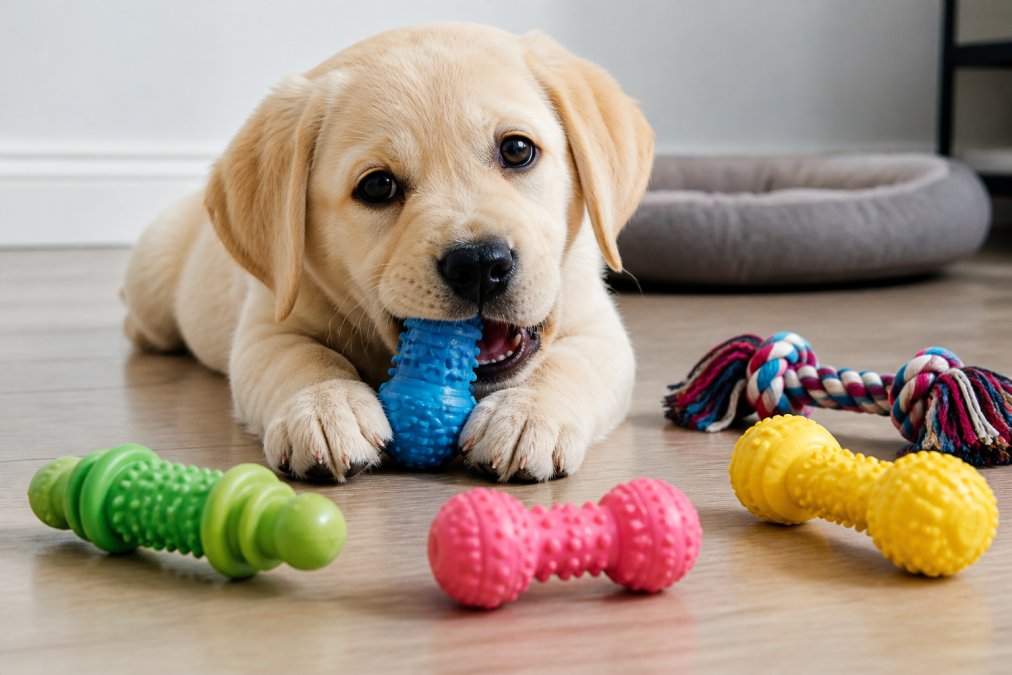
Chewing is another challenge. Puppies chew playpen fabric and plastic. Provide appropriate chew toys inside the playpen to redirect this behavior. Rotate toys every few days to keep them interesting. A bored puppy in a playpen becomes a destructive puppy.
Making Your Choice: Crate, Playpen, or Both
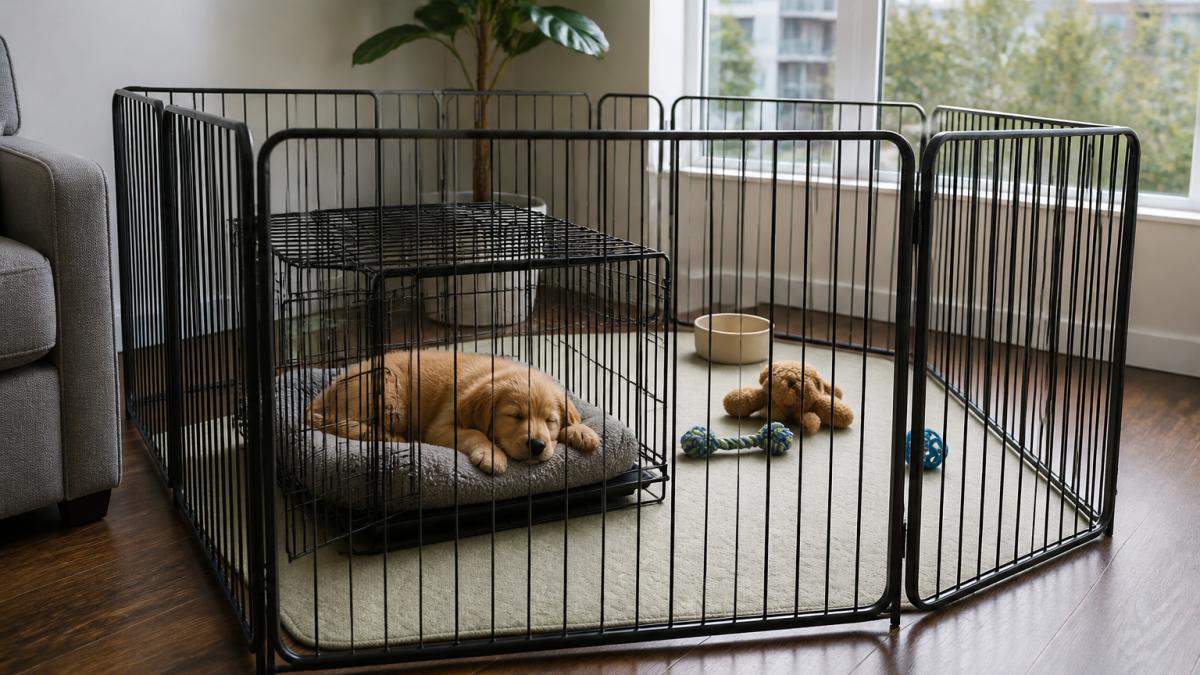
Most apartment owners benefit from having both a crate and a playpen. The comparison of puppy crate vs playpen for apartment living shows they serve different purposes and work together to create a complete confinement system.
Use a crate when:
- You need reliable potty training
- You're sleeping or need guaranteed safety for 1 to 3 hours
- You're teaching your puppy to settle and relax
- You're away from home for short periods
Use a playpen when:
- Your puppy needs to play and move around safely
- You're working from home and can monitor them
- You want to give your puppy more space than a crate allows
- You're managing multiple puppies or a puppy with an older dog
Use both together when:
- You want a complete safe zone with sleeping and play areas
- You're transitioning from crate training to more freedom
- You need flexibility throughout the day
For apartment living specifically, start with a crate for nighttime and short absences. Add a playpen once your puppy is 3 to 4 months old and you've made progress with crate training.
The decision also depends on your work situation. If you work from home, a playpen is essential for daytime management.
Consider your apartment layout. If you have one main living area, a playpen that stays set up makes sense. If you move between rooms, a portable playpen and a crate you can move around work better.
Budget is also real. A quality crate costs less than a quality playpen. Start with the crate, add the playpen when your puppy is ready, and upgrade either one as needed.
Apartment living with a puppy is manageable when you have the right tools and realistic expectations. A crate and playpen give you the structure to train effectively while keeping your puppy safe and your neighbors happy.
Frequently Asked Questions
Is it better to train my puppy in a crate or a playpen?
Both serve different purposes. A crate teaches confinement and is ideal for crate training and nighttime sleeping, creating a den-like space puppies naturally prefer. A playpen offers more room to move, play, and explore while remaining safely contained. Many apartment owners use both: the crate for training and sleep, the playpen for daytime supervision when you're working or busy. Your choice depends on your apartment space, your puppy's age, and your training goals.
How do you crate-train a puppy when you live in an apartment?
Start with a properly sized crate (just large enough for your puppy to stand, turn, and lie down) to encourage natural confinement instincts. Place it in a family area so your puppy doesn't feel isolated. Introduce the crate gradually with treats and positive associations, never force entry. Keep initial sessions short (5-10 minutes for young puppies) and always take your puppy out immediately for potty breaks. Expect barking initially, this is normal, but avoid rewarding it with attention. Consistency and patience are essential in apartment settings where noise matters.
Can you leave a puppy in a playpen for 8 hours?
No. Young puppies (under 4 months) cannot hold their bladder longer than 4-5 hours. A puppy left in a playpen for 8 hours will likely have accidents, become distressed, and develop negative associations with confinement. Even older puppies (4-6 months) should not exceed 5-6 hours. If you work full days, arrange midday potty breaks through a dog walker, pet sitter, or doggy daycare. A playpen works best for supervised periods or when combined with regular bathroom access.
What size playpen do I need for my apartment?
Choose a playpen that gives your puppy room to stand, turn, and move without feeling cramped. A 24-36 inch pen works for small breeds; larger breeds need 36-48 inches or more. Measure your apartment's available floor space before buying, playpens are bulky and permanent setups eat into living areas. Foldable or modular playpens save space by allowing you to adjust the footprint. Consider your puppy's adult size, not just current size, to avoid outgrowing the pen within months.