 blog
blog
Best Orthopedic Dog Beds for Senior Dogs
Table of Contents
- What to Look for in an Orthopedic Dog Bed
- Signs Your Senior Dog Needs an Orthopedic Bed
- Memory Foam vs. Egg-Crate Dog Beds
- Benefits of Orthopedic Support for Senior Dogs
- How to Clean Orthopedic Dog Beds
- Sizing Guide for Large and Small Breeds
- Environmental Impact and Material Safety
- Frequently Asked Questions
Last Updated: September 28, 2026
What to Look for in an Orthopedic Dog Bed
Choosing the right orthopedic dog beds senior dogs requires requires understanding what actually supports aging joints. The best beds combine quality foam, thoughtful design, and materials that hold up over time.
Foam Quality and Support
The foundation of any orthopedic dog bed is its foam. High-density foam and memory foam are the two primary options, each serving different purposes. Memory foam contours to your dog's body, distributing weight evenly across pressure points. This reduces stress on arthritic joints and hips. High-density foam provides firmer, more consistent support, useful for dogs that need structural reinforcement rather than cushioning.
Look for certified foam that meets durability standards. Foam density should be measured in pounds per cubic foot (PCF). Higher PCF numbers indicate denser, longer-lasting foam. A quality orthopedic dog bed typically uses foam in the 3-5 PCF range, which balances comfort with longevity.
The core construction matters as much as the foam type. Some beds layer memory foam over high-density support foam, combining contouring comfort with structural stability. Others use egg-crate foam, which provides airflow and moderate support but tends to compress faster than solid foam. If your dog sleeps hot, egg-crate layers can help with thermoregulation.
Low-Entry Design and Mobility
Senior dogs often struggle to climb into raised beds or beds with high walls. A low-entry design isn't a luxury, it's essential for dogs with mobility issues, hip dysplasia, or arthritis. Look for beds that sit close to the ground or feature a sloped entry point.
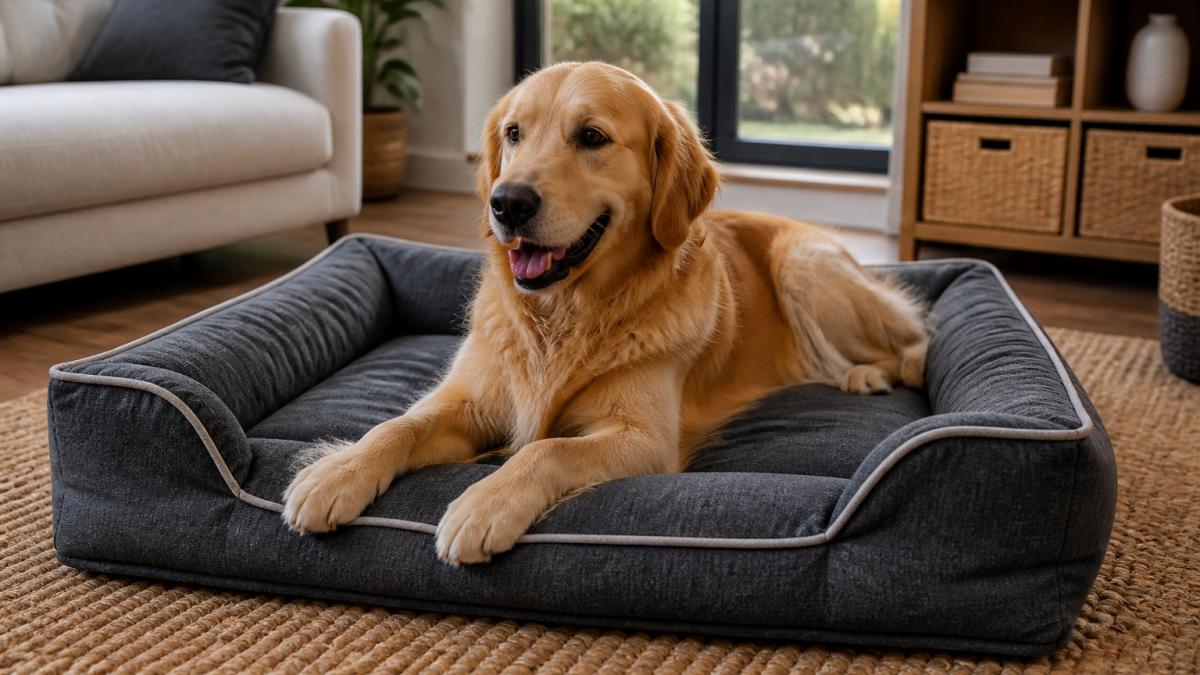
The bolster support (the raised edges) should be moderate. Thick, high bolsters look good but force arthritic dogs to lift their legs higher to enter. A 4-6 inch bolster provides enough support for head and neck without becoming a barrier. Some dogs prefer minimal bolsters; others need them for security. Consider your dog's specific mobility level.
Non-slip bases prevent the bed from sliding across hardwood or tile floors. This matters more than it seems, a shifting bed forces your dog to readjust position, which aggravates joint pain. A textured or rubberized bottom keeps the bed stable.
Cover Materials and Washability
A removable, washable cover extends the life of your orthopedic dog bed significantly. Accidents happen with senior dogs, and a cover you can throw in the washing machine beats replacing the entire bed.
Look for durable, stain-resistant fabrics. Microsuede, canvas, and performance fabrics resist staining and hold up to repeated washing. Avoid thin materials that pill easily or lose shape after a few washes. The cover should fit snugly so it doesn't bunch up under your dog's weight.
Waterproof liners underneath the cover protect the foam from moisture damage. Even with a washable cover, spills and accidents can seep through. A waterproof barrier keeps the core foam clean and prevents odor buildup.
Signs Your Senior Dog Needs an Orthopedic Bed
An orthopedic dog bed becomes necessary when your senior dog shows clear signs of joint discomfort. Recognizing these signals early prevents further deterioration and improves quality of life.
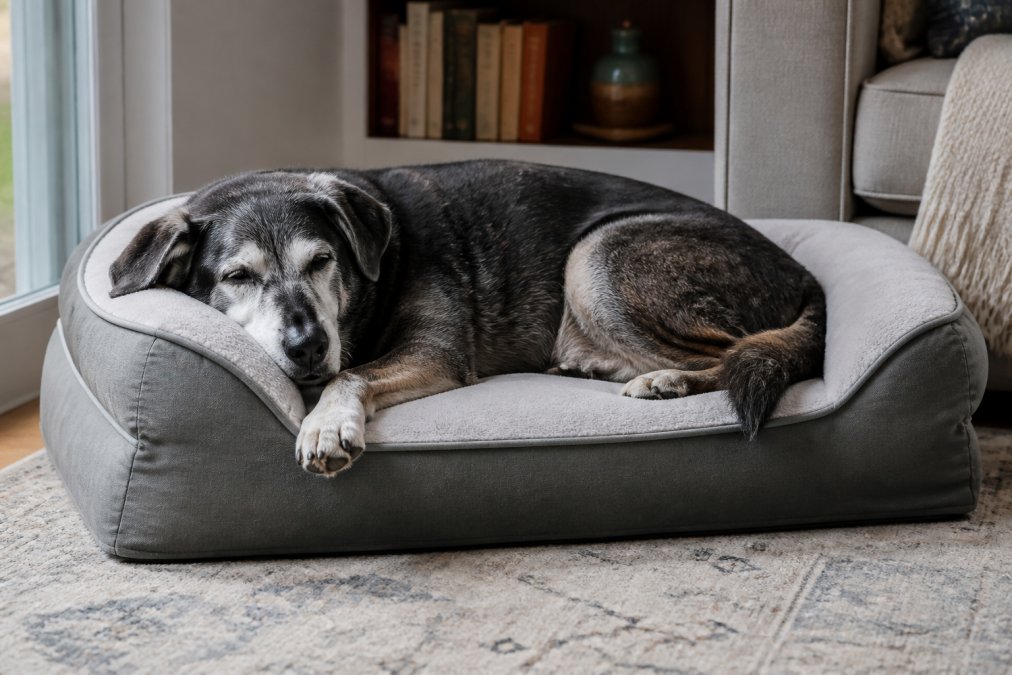
Dogs that struggle to rise from regular beds, limp after rest, or show reluctance to jump or climb stairs benefit immediately from orthopedic support. Excessive licking of joints, whimpering during movement, or spending most of the day lying down are also indicators. If your dog shifts position frequently throughout the night, a standard bed isn't providing adequate support.
Age alone doesn't determine need, some dogs remain active into their senior years, while others develop joint issues earlier. Large breed dogs are prone to hip dysplasia and arthritis, making orthopedic beds valuable even in middle age. Smaller breeds can develop similar issues, though sometimes later.
Memory Foam vs. Egg-Crate Dog Beds
Both memory foam and egg-crate foam serve orthopedic purposes, but they work differently and address distinct needs in senior dogs. Understanding the distinction helps you match the bed to your dog's specific health profile and environment.
Foam Types and Core Support
Memory foam molds to your dog's body shape, providing customized pressure relief. It excels for dogs with severe arthritis or joint pain because it reduces pressure points and maintains spinal alignment throughout sleep. The trade-off: memory foam retains heat. Dogs that sleep hot may feel uncomfortable on pure memory foam, especially in warm months or in homes without air conditioning. This is particularly problematic for senior dogs, as older dogs often struggle with thermoregulation and may overheat more easily than younger animals.
Egg-crate foam features a waffle-like surface that promotes airflow and thermoregulation. It provides moderate support without the heat retention of memory foam. However, egg-crate foam compresses faster than high-density alternatives, so it typically lasts 2-3 years before needing replacement, compared to 4-5 years for quality memory foam. It's ideal for dogs that prioritize cooling over maximum cushioning, or for dogs in warm climates.
High-density foam (typically 3-5 PCF) offers firm, consistent support and moderate heat retention. It resists compression better than egg-crate foam, often lasting 5-7 years. High-density foam is well-suited for large-breed senior dogs that need structural reinforcement, or for dogs in cooler climates where heat retention is less of a concern.
Thermoregulation and Cooling/Heating Considerations
Senior dogs often experience thermoregulation difficulties due to age-related changes in metabolism and circulation. This makes foam selection more critical than many guides acknowledge. A bed that traps heat can worsen discomfort for dogs prone to overheating, while a bed that's too cool may aggravate stiffness in dogs that benefit from gentle warmth.
For hot sleepers or warm climates: Prioritize beds with cooling gel layers or egg-crate foam construction. Some orthopedic beds now incorporate phase-change cooling gel, which absorbs and dissipates body heat to maintain a neutral sleeping temperature. These beds are particularly valuable for senior dogs with arthritis in hot climates, as they provide pressure relief without the overheating risk of traditional memory foam. Look for product descriptions mentioning "cooling gel," "gel-infused foam," or "temperature-regulating" materials.
For dogs that benefit from warmth: Some senior dogs with arthritis experience less stiffness when sleeping on slightly warmed surfaces, as gentle heat improves circulation and reduces morning pain. A few premium orthopedic beds now offer integrated heating elements, typically low-wattage pads that warm the bed to 85-95°F. These are most valuable for dogs in cold climates or those with severe arthritis that worsens in cold weather.
Matching Foam Type to Health Conditions
Dogs with severe arthritis or hip dysplasia benefit most from memory foam or hybrid constructions that include a memory foam top layer. The pressure relief is significant enough to justify the heat retention trade-off, especially if the bed is placed in a cool room or if your dog is a light sleeper who doesn't spend extended periods in one position.
Benefits of Orthopedic Support for Senior Dogs
An orthopedic dog bed addresses multiple aspects of aging dog health, not just comfort.
Joint and Arthritis Relief
Proper support reduces inflammation and strain on arthritic joints. When a dog sleeps on an unsupportive surface, their spine and joints remain misaligned, perpetuating pain and stiffness. Memory foam and high-density foam maintain spinal alignment throughout sleep, reducing morning stiffness and improving mobility during waking hours.
Improved Sleep Quality and Recovery
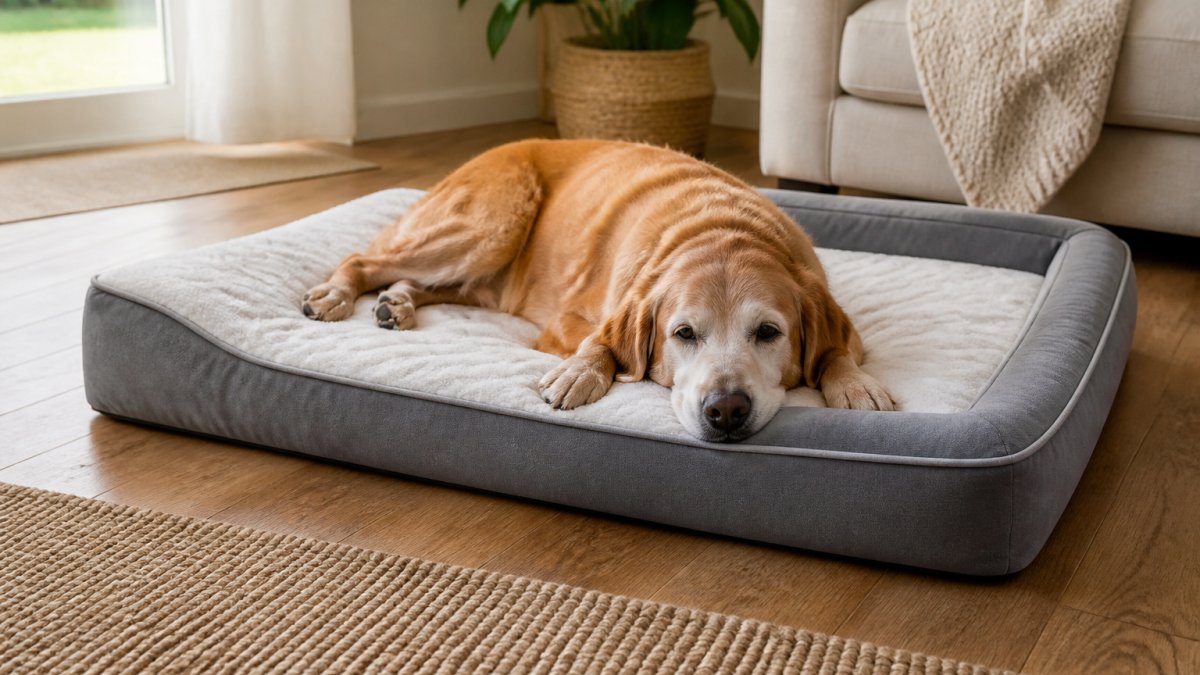
Senior dogs sleep more than younger dogs, sometimes 16-18 hours daily. The quality of that sleep directly impacts their overall health and recovery. A supportive bed reduces nighttime position changes, allowing deeper, more restorative sleep. Dogs wake less frequently, experience fewer pain-related interruptions, and recover better from daily activity.
How to Clean Orthopedic Dog Beds
Proper cleaning extends the life of your orthopedic dog bed and keeps it hygienic. Most quality beds feature removable covers designed for washing.
Sizing Guide for Large and Small Breeds
Bed size dramatically affects comfort and support. A bed that's too small forces your dog to curl up, defeating the purpose of orthopedic support. Too large, and your dog may not feel secure.
Environmental Impact and Material Safety
The materials in orthopedic dog beds have environmental and health implications worth considering. Conventional foam production relies on petroleum-based chemicals, and manufacturing processes generate significant waste.
| Feature | Memory Foam | Egg-Crate Foam | High-Density Foam |
|---|---|---|---|
| Pressure Relief | Excellent | Good | Moderate |
| Heat Retention | High | Low | Moderate |
| Durability | 4-5 years | 2-3 years | 5-7 years |
| Cost | Moderate | Low | Moderate |
| Best For | Severe arthritis | Hot sleepers | General support |
Frequently Asked Questions
What is the best orthopedic bed for a senior dog?
The best orthopedic dog bed for your senior depends on size, mobility level, and specific joint concerns. Look for high-density memory foam or certified orthopedic-grade foam that provides pressure relief and weight distribution. A low-entry design is crucial for dogs with mobility issues, and a waterproof, washable cover protects the investment. Consider your dog's sleeping position and any existing arthritis or hip dysplasia when selecting firmness level and bolster height.
How do I know if my senior dog needs an orthopedic bed?
Signs your senior dog needs an orthopedic bed include difficulty rising, reluctance to jump or climb stairs, limping, visible joint stiffness, restlessness at night, and favoring certain limbs. Senior dogs over age seven often benefit from orthopedic support, especially those with arthritis, hip dysplasia, or previous injuries. If your dog spends extended time in the same spot or struggles with comfort, an orthopedic bed can significantly improve sleep quality and mobility.
What's the difference between memory foam and egg-crate foam in dog beds?
Memory foam conforms to your dog's body, distributing weight evenly and reducing pressure points on joints, making it ideal for arthritis relief. Egg-crate foam features a textured surface that improves airflow and is lighter, better for dogs that overheat. Memory foam typically lasts longer and provides superior spinal alignment, while egg-crate foam is more affordable and easier to clean. For senior dogs with joint pain, memory foam is generally the better choice.
How often should I clean an orthopedic dog bed?
Clean the removable cover every 2-4 weeks or as needed, depending on your dog's activity level and any accidents. Machine wash on a gentle cycle with mild detergent, then air dry to preserve foam integrity. Spot-clean the foam core with a damp cloth and mild soap for spills or stains. A waterproof lining protects the foam underneath, extending bedding longevity. Vacuum the bed weekly to remove hair and dust, which helps maintain hygiene and comfort.