 Ultimate guide
Essential Items for New Puppy Owners: Complete Guide
Quick Summary
The essential items for new puppy owners are a crate sized to the adult dog, food and water bowls, a lightweight collar or harness with an ID tag, a leash, enzymatic cleaner, and safe chew toys. Buy the core items before pickup day, since most of the first week depends on having them ready.
- Choose a crate with a divider panel so it grows with the puppy.
- Use a stainless steel or ceramic bowl that is too heavy to tip over.
- Check collar fit every couple of weeks, since puppies grow quickly.
- Use an enzymatic cleaner so the smell does not draw the puppy back to accidents.
- Pick chew toys sized for the puppy's mouth and inspect them for damage.
Table of Contents
- Why Preparation Matters Before Your Puppy Comes Home
- Core Essential Items for New Puppy Owners
- Your New Puppy Essentials Checklist by Category
- What to Buy for a New Puppy Owner on a Budget vs. Premium
- First 48 Hours with a New Puppy: Setup and Routines
- Building Your Puppy Essentials Kit and Keeping It Stocked
- Stocking Up at Dog Products and More Before Pickup Day
- Frequently Asked Questions
Why Preparation Matters Before Your Puppy Comes Home
Last Updated: November 14, 2026
Bringing home a new puppy is exciting, but it is also the moment most owners realize how much they forgot to buy. Many owners wait until the puppy arrives, then rush to a store with a half-finished list.
Preparation matters for three reasons. Puppies explore with their mouths, so chewable objects, cords and small items need to be out of reach before the puppy is. A predictable feeding, sleep and bathroom routine depends on having the right bowls, bedding and confinement space in place. And because a new puppy is in a critical socialization and training window, consistent gear makes it easier to start good habits on day one.
Many owners underestimate how quickly a puppy outgrows gear: a crate or collar that fits at eight weeks may be too small a few months later. Buying with the adult size in mind, or planning to replace items on a schedule, avoids wasted money.
Core Essential Items for New Puppy Owners
A small set of core items covers most of what a puppy needs in the first weeks. Start with feeding, confinement, and identification, then add grooming and training supplies as your routine settles. The detail that separates a working setup from a wasted shopping trip is in the sizing and safety specifics, so treat the notes below as buying criteria rather than suggestions.
Feeding and Water Gear
Every puppy needs a dedicated food bowl and water bowl that are stable, easy to clean, and too heavy to tip over. Many owners keep a second water bowl for travel or for a room they use often.
Buy a starter bag of the food the breeder or shelter used, then transition slowly if you want to change brands: blend old and new over about seven to ten days, increasing the new food's share daily, because sudden switches can upset a young stomach. Pick a puppy-formulated food, since the nutrient profile is designed for growth, and treat the feeding chart on the bag as a starting point rather than a fixed rule.
Watch out: free-feeding (leaving food out all day) makes house training harder and makes it difficult to notice a puppy that stops eating, which is often the first sign of illness.
Crate, Bed, and Confinement Setup
A crate is one of the most useful items for house training and for keeping a puppy safe when you cannot supervise. A foldable soft crate with mesh windows and three doors offers a portable option for travel and storage.
Introduce the crate gradually: feed meals near it, toss treats inside, and leave the door open at first.
A washable bed or soft fleece blanket gives the puppy a comfortable resting place; fleece is soft, warm and easy to launder.
Watch out: remove collars and tags before crating an unsupervised puppy, since a tag can catch on a crate bar.
Leash, Collar, and ID Tag Basics
Start with a lightweight collar or harness, a standard leash, and an ID tag with your phone number. Puppies grow quickly, so check the fit every couple of weeks; a common guideline is that you should be able to fit two fingers under a collar, no more.
An ID tag is only useful if the information is current. Many owners also choose a microchip through their veterinarian, which is a permanent backup if a collar comes off.
Potty Training Supplies
House training depends on timing and cleanup more than on gear, but the right supplies make both easier. An enzymatic cleaner can help break down the proteins in urine and waste so the puppy is less likely to return to the same spot.
Pee pads have a place for apartment owners or for a puppy that cannot yet go outside, but using them long-term can slow the transition to outdoor pottying.
Grooming and Hygiene Tools
Grooming needs vary by coat, but a few basics cover most puppies. A puppy-safe shampoo, a brush matched to coat type (a slicker brush for longer coats, a rubber curry brush for short coats), nail clippers or a grinder, and dog-safe toothpaste with a finger brush are the core set.
Watch out: human toothpaste contains ingredients that are not safe for dogs, so use only dog-formulated toothpaste.
Safe Chew Toys and Enrichment
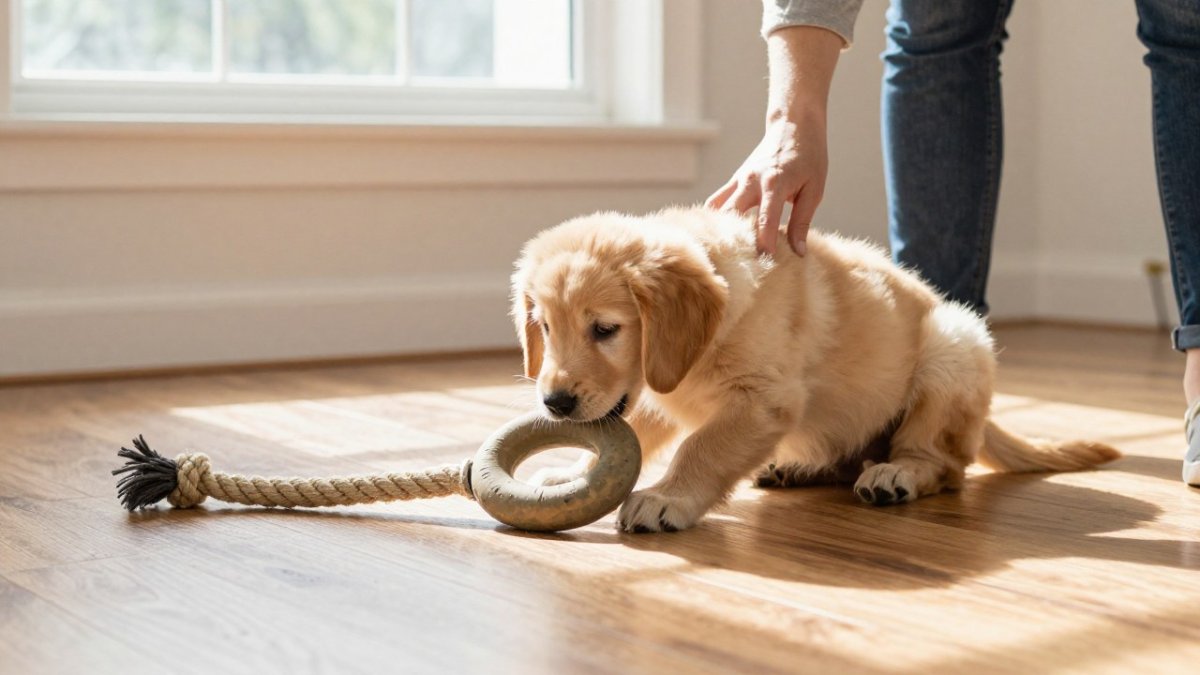
Puppies explore with their mouths, and teething peaks around four to six months, so chew toys are a need rather than a luxury. Choose toys sized for the puppy's mouth: too small and they become a choking hazard, too large and the puppy loses interest. Rotate toys every few days and inspect them regularly for cracks, loose stuffing or detached squeakers.
A snuffle mat or a food-stuffed toy provides mental exercise and can slow a fast eater. These are enrichment items rather than essentials, but they reduce boredom chewing, which is often what drives puppies to furniture and shoes.
Health and Wellness Necessities
Book the first veterinary appointment before or immediately after pickup, since most veterinarians recommend a wellness visit within the first few days, followed by a schedule of puppy vaccinations and deworming.
Watch out: many flea products labeled for adult dogs are not safe for puppies, so confirm the age and weight limits on the label with your veterinarian (the EPA).
Your New Puppy Essentials Checklist by Category
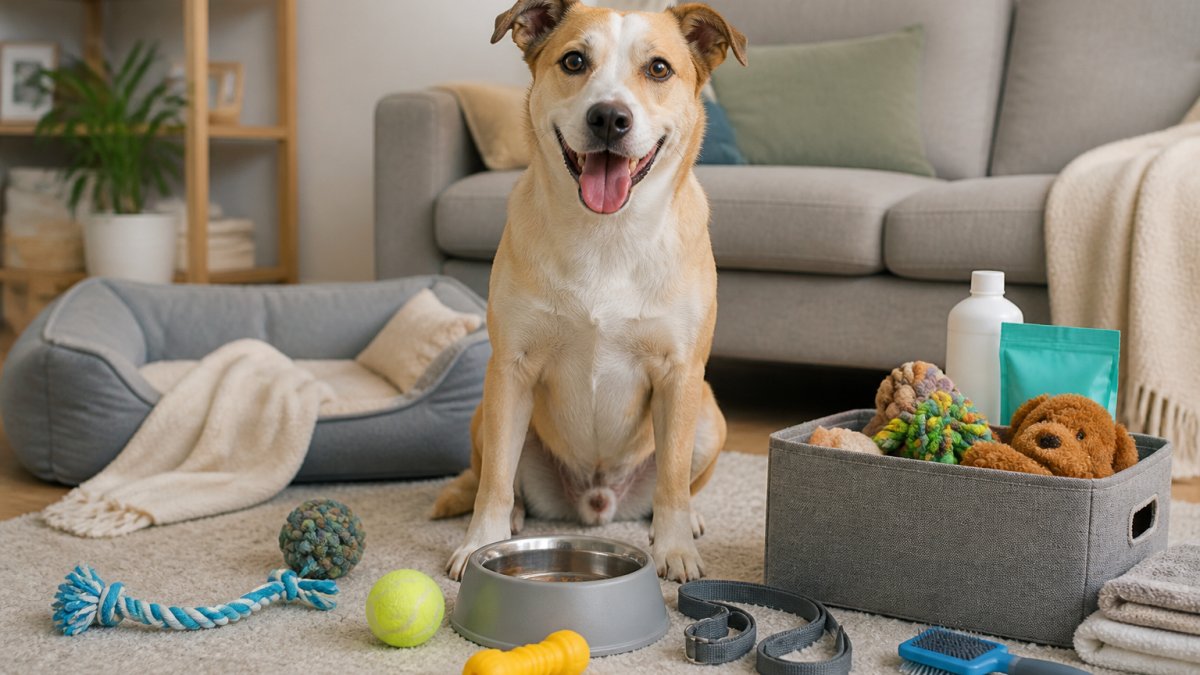
Use this checklist to organize your shopping before pickup day:
- Feeding: puppy food, food bowl, water bowl, treats for training
- Confinement: crate with divider, washable bed, baby gates or exercise pen
- Walking: lightweight collar or harness, leash, ID tag
Many owners find that a single trip covers most of these items. Keep receipts and warranty information in one place so returns and replacements are simple if an item does not fit or hold up.
What to Buy for a New Puppy Owner on a Budget vs. Premium
Most checklists hand you one flat list and leave you to guess where the money matters. The more useful approach is to sort every purchase into three tiers: must-have before pickup, buy-in-week-one, and wait-and-see. That lets a budget-minded owner cover safety and training first, while an owner with more room to spend knows which upgrades are worth it.
Tier 1: Must-have before pickup day
These items affect safety, house training, or the puppy's ability to settle in, so they should be in place before the puppy walks through the door:
- Crate with a divider panel. The divider lets you shrink the space to puppy size and expand it as the dog grows, the single biggest cost saver in the setup because it prevents buying two or three crates.
- Food and water bowls. Stainless steel or ceramic, weighted or with a non-slip base. Plastic bowls get chewed and scratched, and scratches harbor bacteria.
- Puppy-formulated food in the brand the breeder or shelter was using, plus a small bag of a different formula only if you plan a slow transition.
Tier 2: Buy in the first week
These items support routines that start once the puppy is home:
- Washable bed or fleece blanket. Fleece is cheap, warm, and machine-washable, which matters because puppy bedding gets soiled often.
- Baby gates or an exercise pen to block off rooms and contain accidents while house training is underway.
- Grooming basics: puppy-safe shampoo, a soft slicker brush or rubber curry brush matched to coat type, nail clippers or a grinder, and dog-safe toothpaste with a finger brush.
Tier 3: Wait and see
These are the items most often bought too early and left unused: multiple toy sets, specialty slow feeders, elevated bowls, decorative beds, cooling mats, and full grooming kits. Wait until you know your puppy's chewing style, coat, and eating speed. A dog that gulps food may need a slow feeder; a dog that grazes may not.
Where premium actually pays off
Spend up on the items used every day and expected to survive into adulthood:
- Crate. A well-built wire or plastic crate with a divider can last the dog's adult life. A cheap crate with a flimsy latch is a safety risk, not a bargain.
- Harness. A padded, adjustable harness with a front-clip attachment gives you steering control on walks and is worth the upgrade for strong pullers.
- Bowls. Heavy stainless steel resists tipping and chewing and lasts for years.
Save on items that are consumed or outgrown: training pads, waste bags, treats, and collars the puppy will size out of within months.
Breed-specific sizing notes
Gear that fits a Chihuahua puppy will fail a Labrador puppy within weeks. Use adult size as your buying target:
- Small breeds (under about 20 pounds adult): a 24-inch crate is often the right adult size, a 5/8-inch or 3/4-inch collar, and a lightweight harness. Toy-breed puppies can slip a standard collar, so check the fit weekly.
- Medium breeds (about 20 to 60 pounds adult): a 30-to-36-inch crate, a 1-inch collar, and a standard harness with adjustable straps.
- Large and giant breeds (over about 60 pounds adult): a 42-to-48-inch crate, a 1-to-1.5-inch collar, and a harness rated for a strong puller. Giant-breed puppies also need bowls raised enough that they are not straining their necks.
Watch out: crate sizing charts vary by manufacturer, so measure your puppy's adult height and length against the specific product's interior dimensions rather than trusting the label alone.
Sustainability without a premium markup
The lowest-waste choices are usually also the cheapest over time: stainless steel bowls instead of plastic, washable fleece bedding instead of disposable pads once house training is reliable, and durable rubber chews instead of plush toys that get shredded. Look for toys and chews labeled non-toxic, and check that plush toys have securely stitched eyes and no loose parts a determined puppy can reach.
First 48 Hours with a New Puppy: Setup and Routines
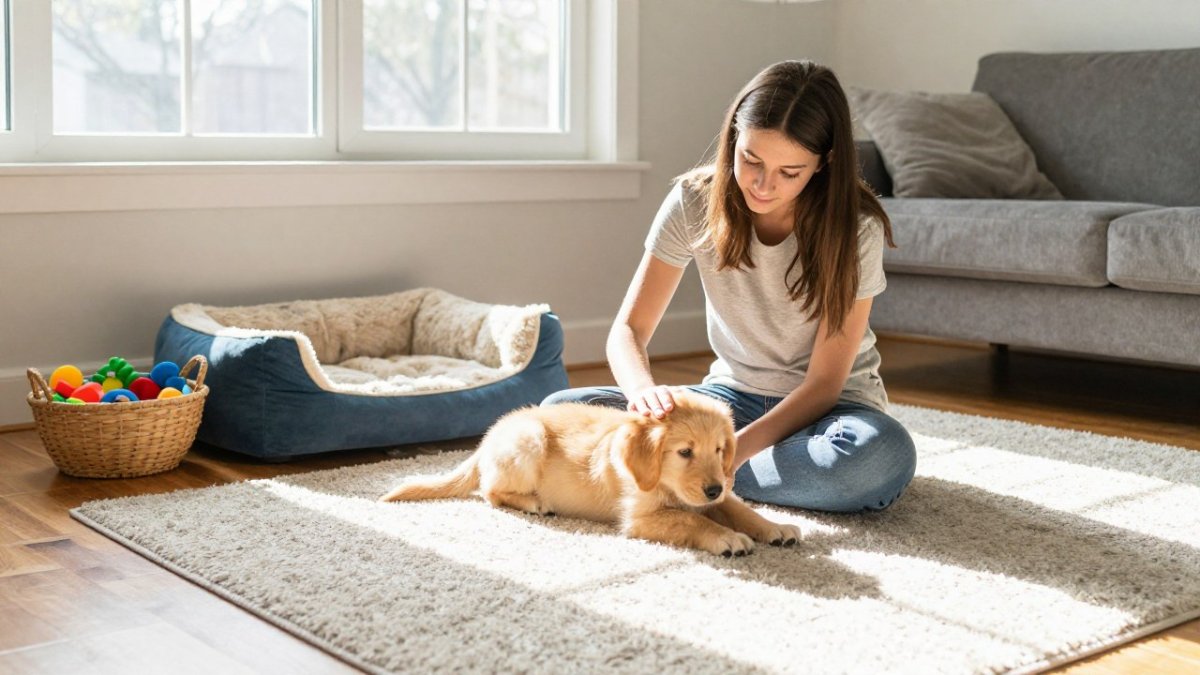
The first two days set the tone for the weeks ahead. Before the puppy arrives, set up a quiet area with the crate, bed, water and a few safe toys. Keep the space close to where your family spends time so the puppy does not feel isolated.
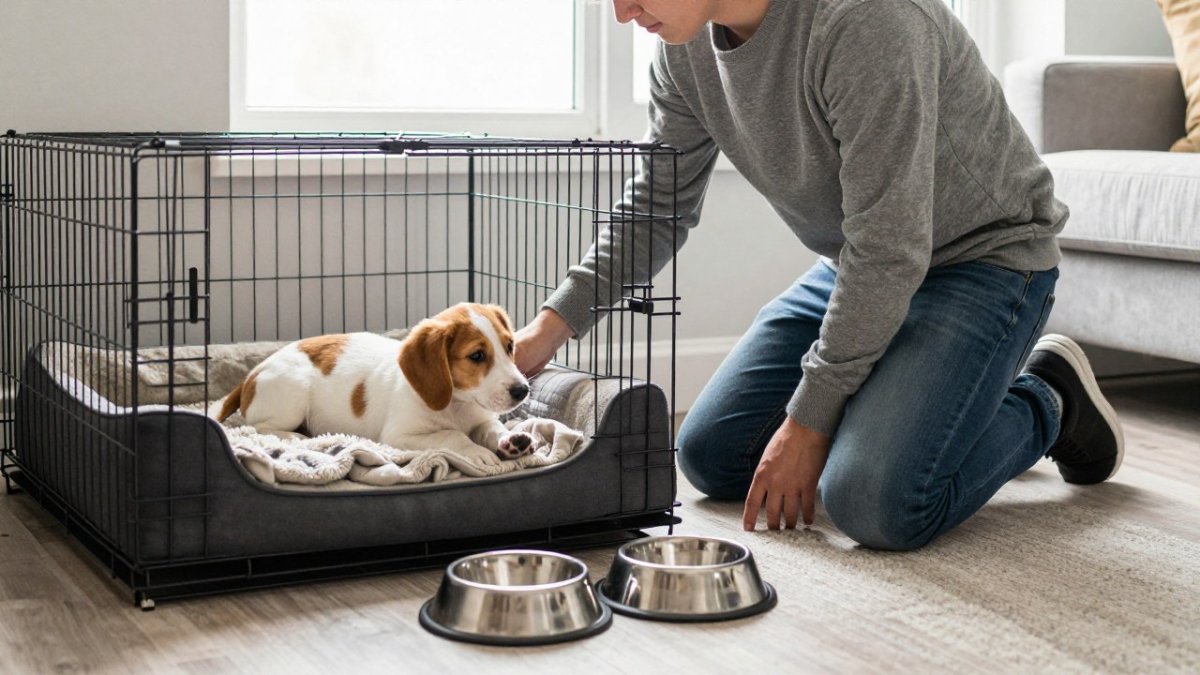
A simple routine helps. Take the puppy outside to the same spot after waking, after meals, after play and before bed. Praise and reward immediately when the puppy goes outside, using small training treats.
Expect accidents during the first days. Clean them with an enzymatic cleaner so the smell does not draw the puppy back to the same spot.
Building Your Puppy Essentials Kit and Keeping It Stocked
Once the initial setup is done, keep a small reserve of consumables so you never run out at a bad time.
Rotate toys and check them regularly for damage. Remove any toy with loose stuffing, small pieces or cracks, since these can become choking hazards.
Keep a simple first-aid kit with gauze, a digital thermometer, tweezers and your veterinarian's phone number.
Stocking Up at Dog Products and More Before Pickup Day
Ordering before pickup day gives you time to compare sizes, read product details and avoid rushed purchases.
Start with the core items from this guide, then add the rest as you learn your puppy's habits.
BUTTON: Shop Puppy Essentials CARD_TITLE: Ready for your new puppy? CARD_TEXT: Dog Products and More offers beds, bowls, crates and training gear for first-time puppy owners.
Frequently Asked Questions
What is the 3-3-3 rule for new puppies?
The 3-3-3 rule is a common guideline describing how a rescued or newly adopted dog often takes about three days to decompress, three weeks to settle into a routine, and three months to feel fully at home. For new puppy owners, it is a useful reminder that early weeks involve adjustment for both puppy and household. Plan a consistent feeding schedule, a predictable potty routine, and a calm crate space from day one. Patience during the first months helps build trust and reduces stress-related accidents and chewing.
What should I buy as a first-time puppy owner?
First-time owners should prioritize a crate sized for the puppy's expected adult size, a bed, a food bowl and water bowl, a properly fitted collar with an ID tag, a harness, a six-foot leash, puppy-formulated food, chew-resistant toys, grooming basics like a brush and nail clippers, waste bags, and enzymatic cleaner for accidents. Pricing varies with brand, size, and quantity, so compare options on Dog Products and More's website for current prices. Start with the essentials and add extras as you learn your puppy's needs.
What supplies do I need before bringing a puppy home?
Before pickup day, set up a confined area with a crate or playpen, baby gates to block off hazards, potty pads or a designated outdoor spot, and a water bowl that tips less easily. Stock puppy food matching what the breeder or shelter used, along with training treats and a few safe chew toys. Schedule a veterinary visit within the first few days for a checkup and a vaccination plan. Puppy-proof the home by moving cords, cleaners, and small objects out of reach.
What is the 7-7-7 rule for puppies?
The 7-7-7 rule is an informal guideline suggesting that a new dog may need about seven days to start feeling comfortable, seven weeks to learn the household routine, and seven months to fully settle. It is not an official veterinary standard, but it helps owners set realistic expectations. Use the first week to establish feeding, sleep, and potty routines, and keep introductions to people and places gradual. Consistent positive reinforcement during these stages supports lasting good behavior.
Which puppy supplies can wait until later?
Some items can be bought after the first few weeks, once you know your puppy's size, habits, and preferences. These include specialized training equipment, extra beds, advanced enrichment toys, travel carriers for longer trips, and premium grooming tools beyond a basic brush and nail clippers. Buy the crate and collar sized for expected growth only after checking fit, and replace them as your puppy outgrows them. Waiting on non-essentials keeps early spending focused on what matters most.