 ultimate-guide
Dog Adoption Essentials: Your 2026 New Dog Checklist
Table of Contents
- Your Dog Adoption Checklist: What to Buy Before Bringing a Dog Home
- Essential Supplies for New Dog Owners: Food, Bowls, and Cleanup
- Collar, ID Tag, Leash, and Safe Transport Gear
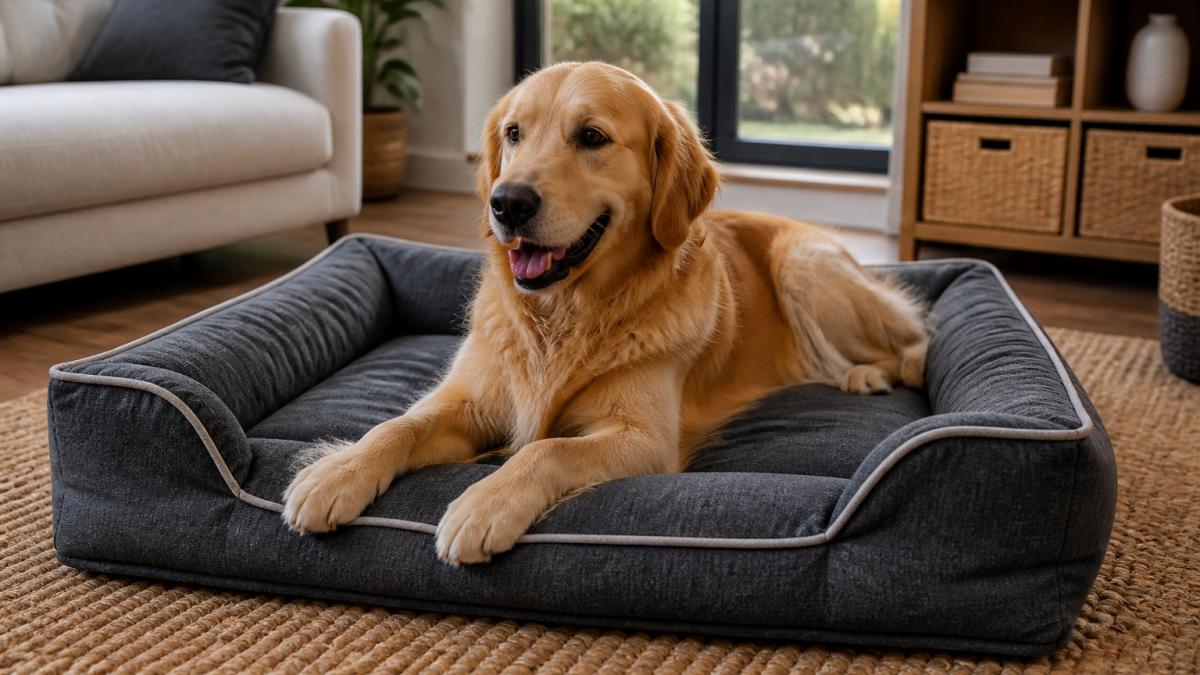
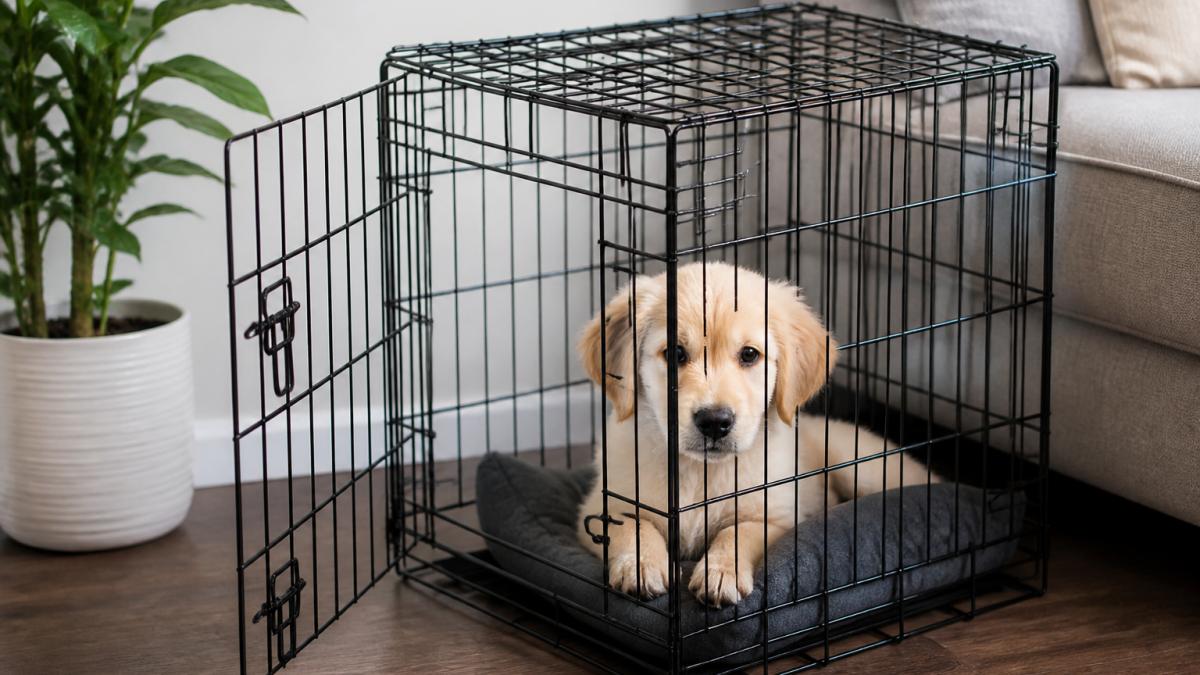
- Crate, Dog Bed, and Comfort Items for the First Night With a New Dog
- The 3-3-3 Rule for Adopting a Dog: What to Expect in the First Month
- Dog-Proofing Your Home and Questions to Ask the Shelter
- Toys, Grooming Tools, and Ongoing Costs to Budget For
- Conclusion: Set Your Rescue Dog Up for Success
- Frequently Asked Questions
Last Updated: October 16, 2026
Your Dog Adoption Checklist: What to Buy Before Bringing a Dog Home
Bringing home a rescue dog is exciting and overwhelming, and the right dog adoption essentials turn chaos into calm. Families who shop before adoption day settle in faster.
Start with the non-negotiables. A Humane Society adoption guidance recommends having food, bowls, a collar with ID, a leash, and a crate ready before pickup, because the first 24 hours set the emotional tone for weeks.
Must-Have Gear for Day One
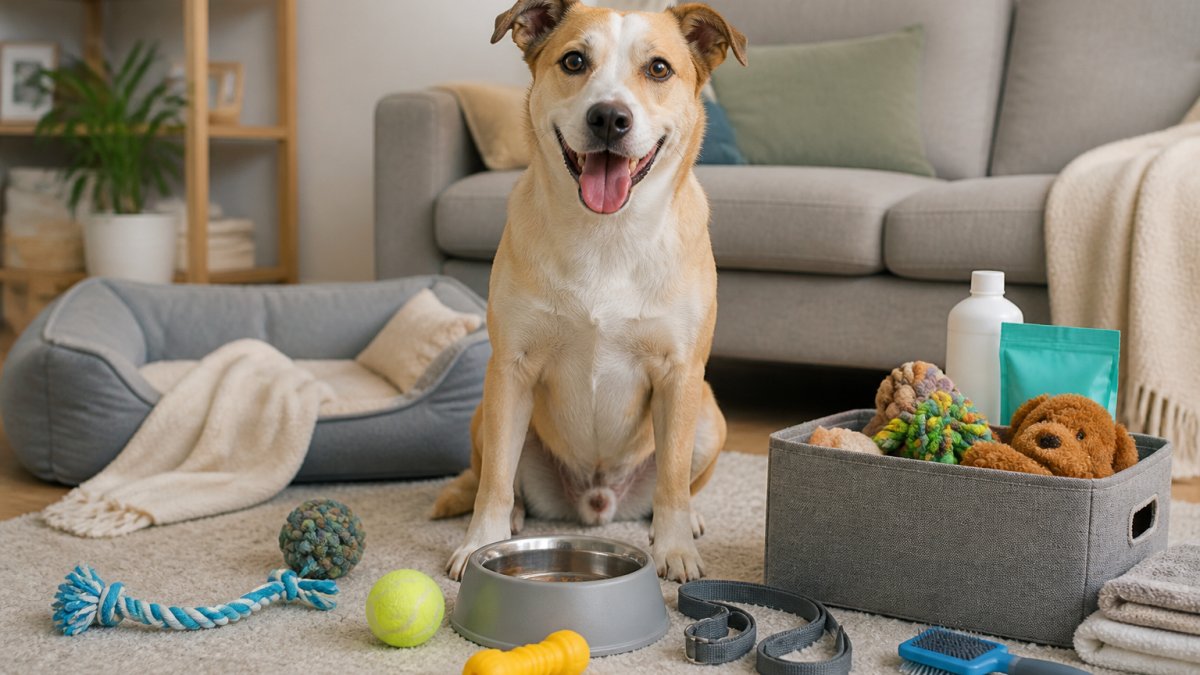
Day one requires six items: food, bowls, a collar with an ID tag, a leash, a crate, and a bed. Everything else can wait until you know your dog's personality.
Here is what to buy now versus what can wait:
| Priority | Item | Why It Cannot Wait |
|---|---|---|
| Buy now | Food and water bowls | Dogs need hydration after transport |
| Buy now | Collar and ID tag | Legal ID plus your phone number |
| Buy now | Leash and harness | Safe handling from the car to your door |
| Buy now | Crate | A quiet retreat reduces stress |
| Buy now | Dog bed | Somewhere familiar to sleep |
| Can wait | Toys and treats | Buy after you learn preferences |
| Can wait | Grooming tools | Match the coat type first |
Essential Supplies for New Dog Owners: Food, Bowls, and Cleanup
Food and water setup is where first-time owners overspend. You need two bowls, an airtight food storage container, and a measuring scoop. That is the entire list.
Bowl material matters more than most guides admit:
- Stainless steel resists chewing, does not hold odors, and goes in the dishwasher, the default for a dog with an unknown chewing history.
- Ceramic is heavier and harder to tip, but it chips, and a chipped glaze can harbor bacteria. Only choose it if labeled lead-free.
- Plastic is cheap and light, which is the problem: many dogs flip it, and some develop chin irritation. Skip it unless it is a slow-feeder design.
Size the bowl to the dog, not the kitchen aesthetic.
Skip the automatic feeder for the first month. You need to see how much your dog actually eats, and a gravity feeder hides that.
Food, Treats, and Water Setup
Feed the same food your shelter or rescue used for at least the first week. Many adopters switch on day one out of excitement, then spend five days cleaning up diarrhea.
Measure meals with a scoop or kitchen scale rather than eyeballing.
Treats should be small, soft, and used for training, not free-feeding. A pea-sized treat is enough for most repetitions, and ten treats should not replace a meal.
Waste Cleanup and House-Training Basics
House-training starts the day your dog arrives. Take your new dog outside every two hours, plus immediately after meals, naps, play, and excited greetings.
Stock up on these before pickup:
- Poop bags. Buy more than you think you need. A 270-bag roll lasts a medium dog about three months.
- Paper towels and a dedicated cleaning caddy. Keep them in one spot so accidents get handled in under a minute.
- An enzymatic stain and odor remover. Standard cleaners mask the smell; enzymatic products break down the proteins that draw dogs back to the same spot. This is the single most important cleanup purchase for house-training.
Potty pads help for apartment living, overnight crate training, or a dog recovering from surgery, but outdoor breaks come first.
Accidents are information, not defiance. If your dog eliminates indoors, note the time, location, and what happened in the 30 minutes before.
Collar, ID Tag, Leash, and Safe Transport Gear
Identification is not optional. A collar with a current ID tag showing your phone number is your dog's fastest ticket home if they slip out a door.
For walking gear, a harness beats a collar for most rescue dogs.
Safe transport matters just as much. A crash-tested crate or a travel harness secured to a seatbelt keeps your dog contained during the drive home and every vet visit after.
Crate, Dog Bed, and Comfort Items for the First Night With a New Dog
The first night with a new dog is the hardest night. Your dog has just lost everything familiar: the kennel noise, the volunteers, the routine. Expect whining, pacing, or a sleepless few hours, and prepare for it rather than being surprised.
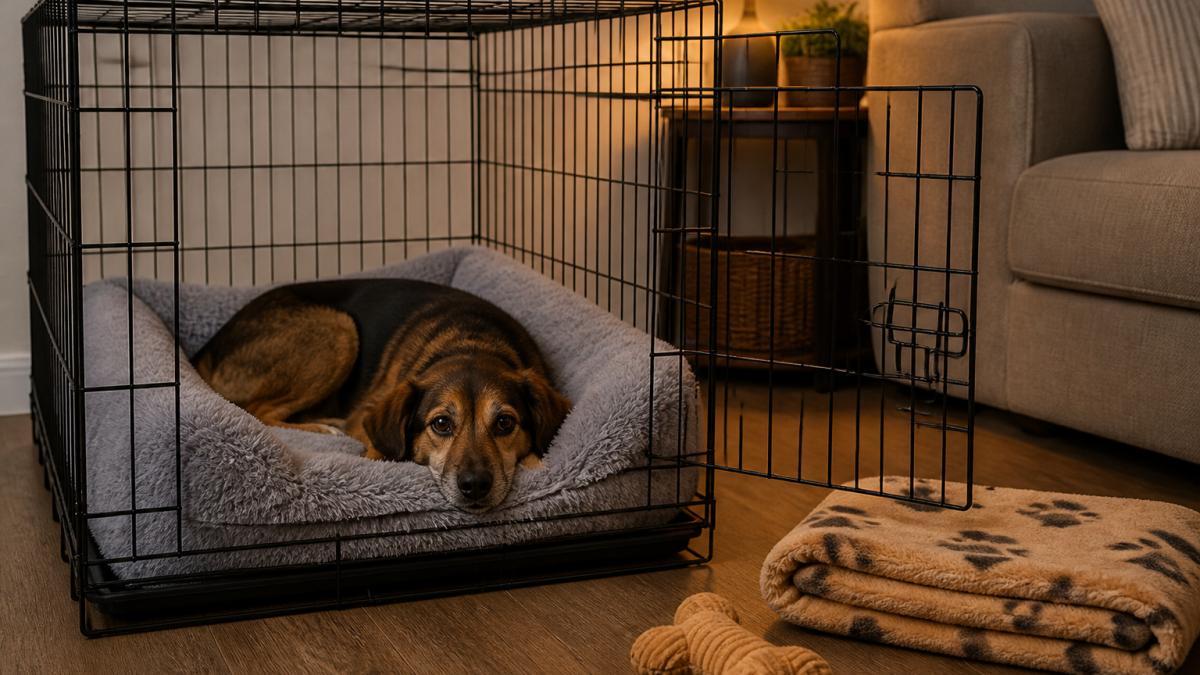
Set the crate up in your bedroom, not the garage or a far corner. Dogs are social animals, and seeing you reduces anxiety dramatically.
The 3-3-3 Rule for Adopting a Dog: What to Expect in the First Month
The 3-3-3 rule for adopting a dog describes the standard adjustment timeline: three days to decompress, three weeks to settle into routine, and three months to feel fully at home. Understanding it prevents the most common new-owner mistake: expecting a rescue dog to behave like a settled family pet immediately.
First 24 Hours and First Week Transition Plan
Keep the first 24 hours boring on purpose. No visitors, no dog park, no long car rides. Let your dog explore one room, eat, drink, and sleep. Speak softly and give space.
The first week follows a simple structure:
- Establish a feeding schedule and stick to it
- Take your dog out on a consistent leash route
- Introduce one new room or family member per day
- Begin short training sessions of five minutes or less
- Schedule a vet visit within the first seven days
Dog-Proofing Your Home and Questions to Ask the Shelter
Dog-proofing happens before pickup, not after the first chewed shoe. Walk through each room at your dog's eye level and remove anything swallowable: medications, chocolate, xylitol gum, electrical cords, and small children's toys. Secure trash cans with lids, block off stairways if you have a small breed, and check that houseplants are non-toxic.
Then ask the shelter or rescue these questions before you sign the paperwork:
- What food is the dog currently eating, and how often?
- Is the dog house-trained, crate-trained, or both?
- How does the dog react to other dogs, cats, and children?
The answers shape your first month far more than any product you buy.
Toys, Grooming Tools, and Ongoing Costs to Budget For
Toys and enrichment keep a new dog mentally satisfied, which prevents destructive chewing before it starts. Buy a mix rather than a pile of the same thing:
- A durable chew toy for solo time. Rubber toys made for power chewers last longer than plush, and a dog with an unknown chewing history should start with the toughest option you can find.
- A puzzle feeder or treat-dispensing ball for meals. This slows fast eaters, adds mental work, and buys you 15 quiet minutes.
- A plush or squeaky toy for interactive play. This is the toy you use, not the one you leave in the crate.
Lick mats spread with peanut butter or plain yogurt are a reliable calming tool during crate time and thunderstorms. Check the peanut butter label first: xylitol, a common sugar substitute, is toxic to dogs, and some brands include it (Xylitol Dog Poisoning: Brief Guide).
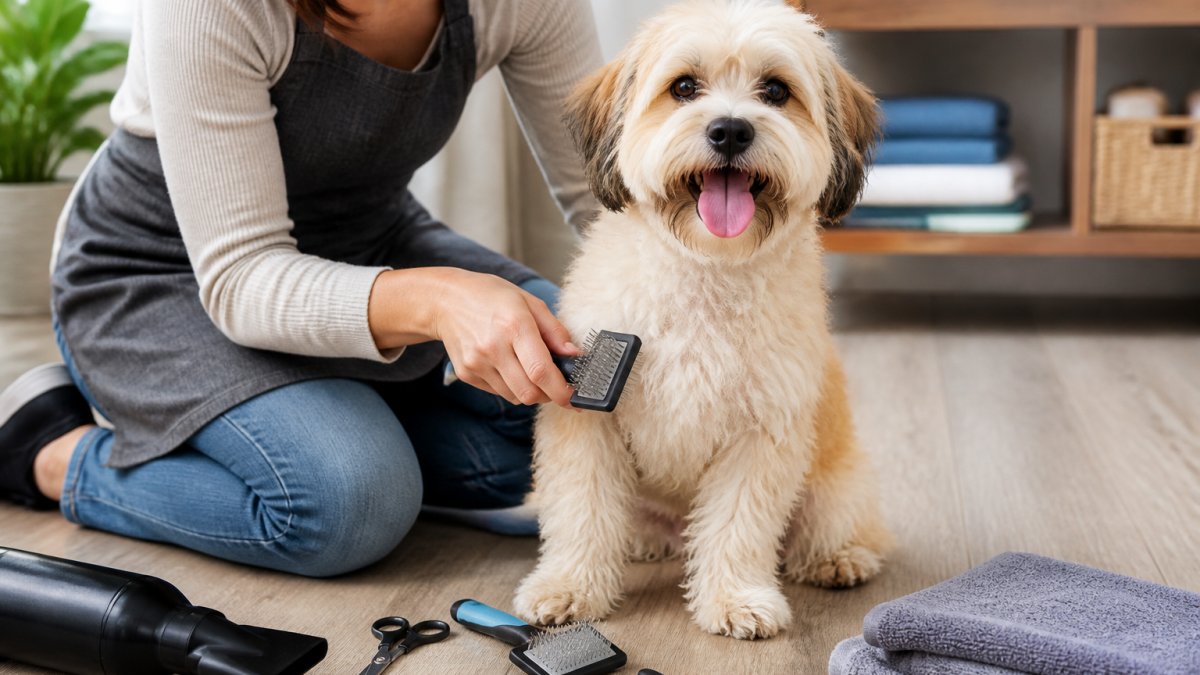
Grooming supplies depend on coat type. Short-coated dogs need a rubber curry brush and occasional nail clippers. Long or double-coated breeds need a slicker brush and an undercoat rake, plus a metal comb to check for mats behind the ears and under the collar.
What Ownership Actually Costs: A Transparent Budget
Most adoption guides stop at the shopping list. The honest version includes recurring costs, because the first-year total is usually two to three times the startup total.
One-time startup costs
| Item | Typical Range |
|---|---|
| Adoption fee | $50-$500 (varies widely by shelter, breed, and whether the dog is a puppy or senior) |
| Spay/neuter (if not included) | $200-$500 |
| Crate | $40-$150 |
| Bed | $25-$80 |
| Collar, ID tag, leash, harness | $30-$80 |
| Bowls and food storage | $20-$50 |
| Initial food supply | $25-$70 |
| Toys and enrichment | $30-$80 |
| Grooming tools | $25-$70 |
| First vet visit and initial vaccines | $75-$200 |
Recurring monthly costs
| Item | Typical Range |
|---|---|
| Food | $30-$80 (small dog) to $60-$120 (large dog) |
| Treats and chews | $10-$30 |
| Flea, tick, and heartworm prevention | $15-$45 |
| Routine vet care (annualized) | $20-$40 per month |
| Toys and replacement supplies | $10-$25 |
| Grooming (professional, if used) | $40-$100 per visit |
| Pet insurance (optional) | $20-$70 |
Annual and irregular costs to plan for
- Annual vet exam and vaccines: $150-$300
- Dental cleaning under anesthesia: $300-$700, often recommended every one to three years
- Emergency vet visit: $500-$2,000 or more, which is why many owners set aside a dedicated savings fund or carry insurance
- Licensing: varies by municipality, typically $10-$50 per year, with discounts for spayed or neutered dogs
Build your estimate around your dog's size, age, and health rather than a generic number, and set aside a small emergency fund before the dog comes home.
At Dog Products and More, our curated selection of beds, grooming tools, and toys is built for exactly this moment.
Conclusion: Set Your Rescue Dog Up for Success
The first month with a rescue dog is demanding, and the gap between prepared and unprepared owners shows up fast in how quickly a dog settles. Buy the day-one essentials first, follow the 3-3-3 timeline, and let patience do the rest. Dog Products and More stocks the beds, grooming tools, toys, and accessories new owners actually need, with fast shipping and a customer-focused team behind every order.
Frequently Asked Questions
What is the 3-3-3 rule for adopting a dog?
The 3-3-3 rule breaks the adjustment period into three stages for a rescue dog. The first 3 days are about decompression: your new dog may feel overwhelmed, hide, or refuse food. Around 3 weeks in, they start settling into routines. By 3 months, many dogs feel secure enough to show their true personality. Keep expectations low early, stick to a consistent schedule, and let your dog set the pace.
Where should an adopted dog sleep the first night?
Set up a crate or dog bed in your bedroom or just outside the door for the first night with a new dog. Being close to you reduces anxiety and makes potty breaks easier to hear. Add a familiar-smelling blanket from the shelter, a comfort toy, and keep the room quiet. Avoid giving your dog free run of the house at night until house-training and chewing habits are established.
What should I buy before bringing an adopted dog home?
A solid dog adoption checklist includes food and water bowls, a collar with an ID tag, a leash, a harness, a crate or dog bed, potty pads or poop bags, and a few toys. Ask the shelter what food your dog currently eats and buy a small bag of the same brand to avoid stomach upset. Grooming basics like a brush and nail clippers can wait a week or two.
How do I prepare my home for an adopted dog?
Dog-proofing means securing trash cans, moving medications and cleaning supplies out of reach, taping loose electrical cords, and blocking off rooms you don't want your dog in. Check houseplants against a toxic-plant list, and put shoes and small objects away. Set up a quiet space with a crate or bed before your dog arrives so they have somewhere calm to retreat to.
What should I do during my adopted dog's first week at home?
Keep the first week low-key. Skip the dog park, limit visitors, and stick to a predictable schedule for feeding, walks, and potty breaks. Start house-training right away by taking your dog out every two to three hours and after meals. Watch for stress signals like pacing or appetite changes, and contact your vet within a few days for a wellness check.
What ongoing costs should I budget for after adoption?
Beyond the initial supplies, plan for recurring costs like food, treats, flea and tick prevention, heartworm medication, routine vet visits, and occasional grooming. Budget for at least one unexpected vet visit per year. Toys, replacement beds, and training classes add up too. Adoption fees at shelters are usually far lower than buying from a breeder, but the first year is the most expensive.