 blog
blog
Budget Friendly Puppy Supplies Checklist 2026
Table of Contents
- Essential Items for New Puppy Owners: What You Actually Need
- Collars, Harnesses, Leashes, and ID Tags
- House Training and Puppy Pads
- Chew Toys and Play Items for Mental Stimulation
- First Time Puppy Owner Budget Tips: Prioritize and Save
- Puppy Proofing on a Budget: Prevent Costly Damage
- Grooming and Cleanup Supplies for the First 30 Days
- Your Budget Friendly Puppy Supplies Checklist
- Frequently Asked Questions
Last Updated: October 9, 2026
Essential Items for New Puppy Owners: What You Actually Need
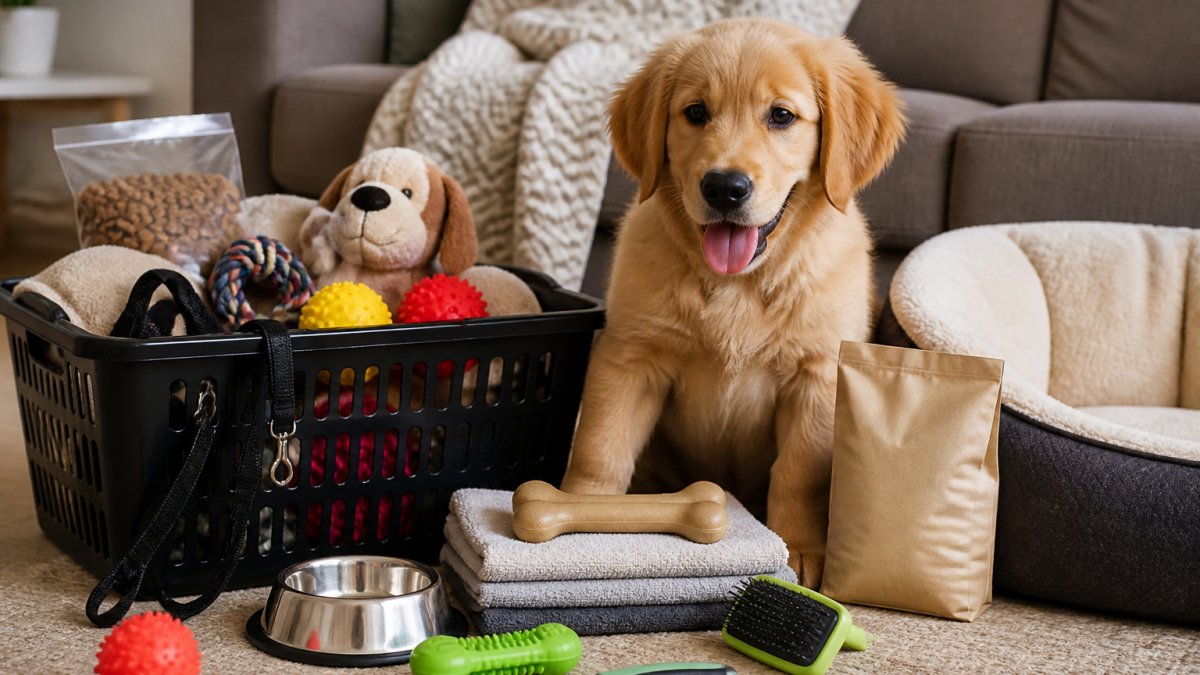
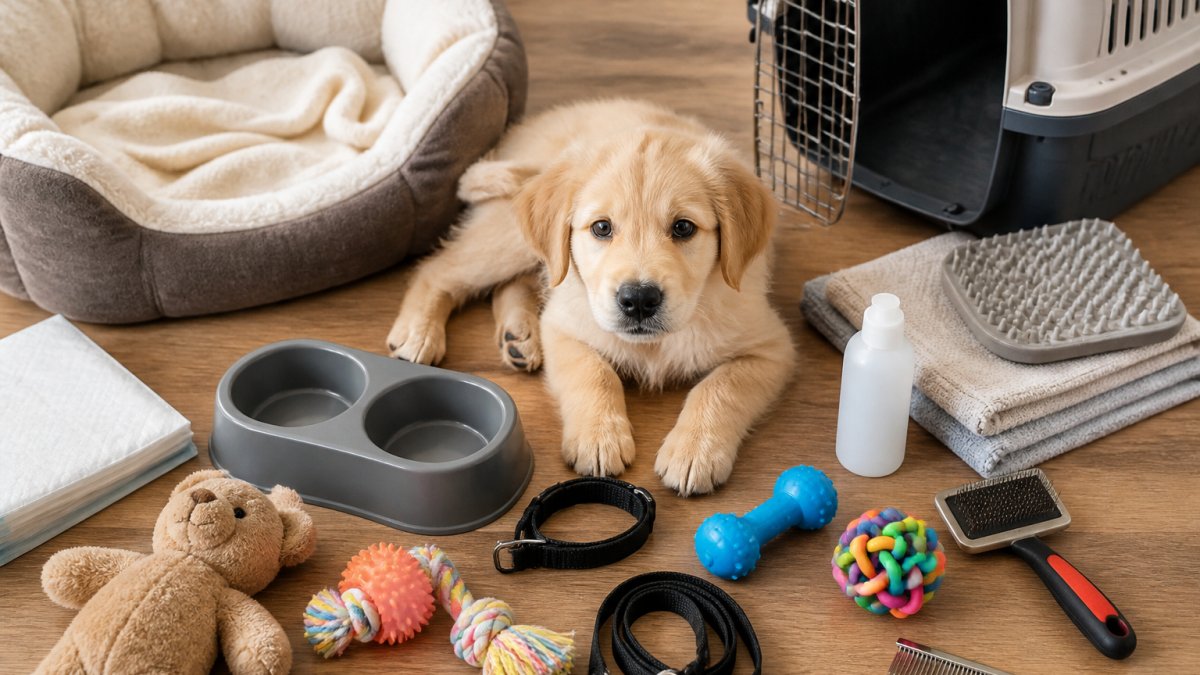
Bringing a puppy home is exciting, and expensive without a puppy supplies checklist and plan. Here's what you need in the first 30 days, and what can wait.
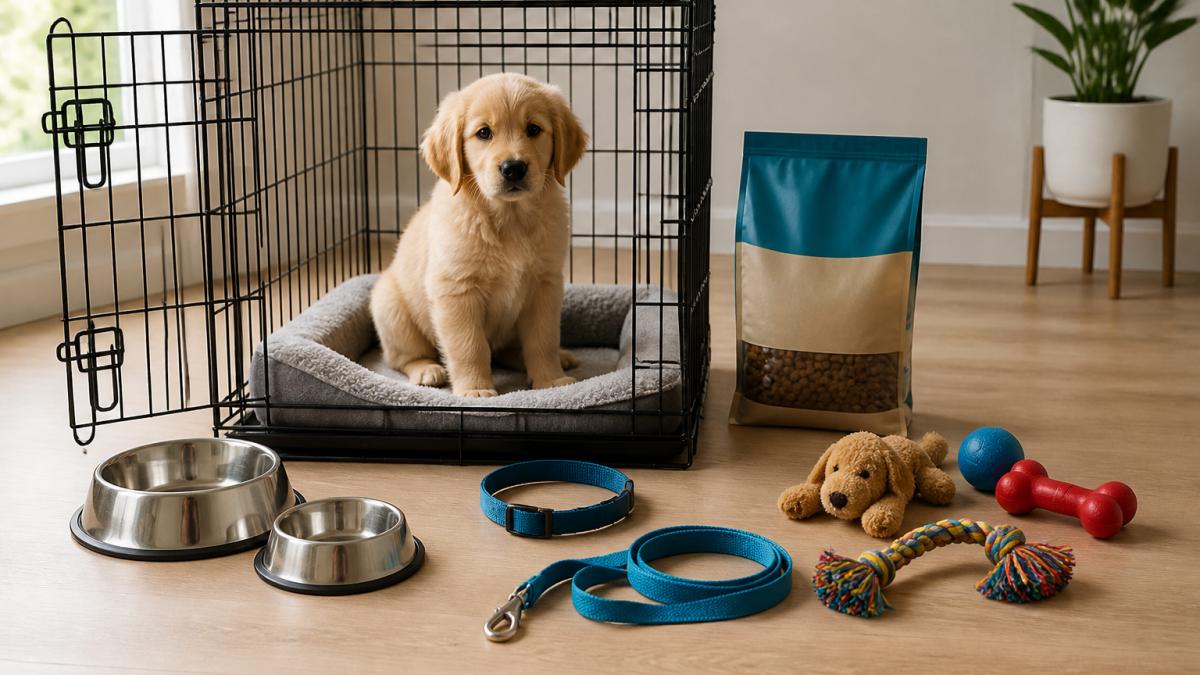
Food and Water Bowls
Pick stainless steel or ceramic bowls, plastic breaks easily and harbors bacteria. You'll need two, one for food and one for water; elevated bowls aid digestion and reduce neck strain. Look for non-slip bases, or your puppy will push them around.
Puppy Food and Feeding Supplies
Buy the food your breeder or shelter used, switching too fast causes stomach upset, so ask what brand they fed. A lidded plastic bin keeps kibble fresh; scoop portions daily instead of leaving food down all day. Puppies eat 3-4 times daily until 6 months old, then twice daily, and need to go out after eating.
Crates and Sleeping Arrangements
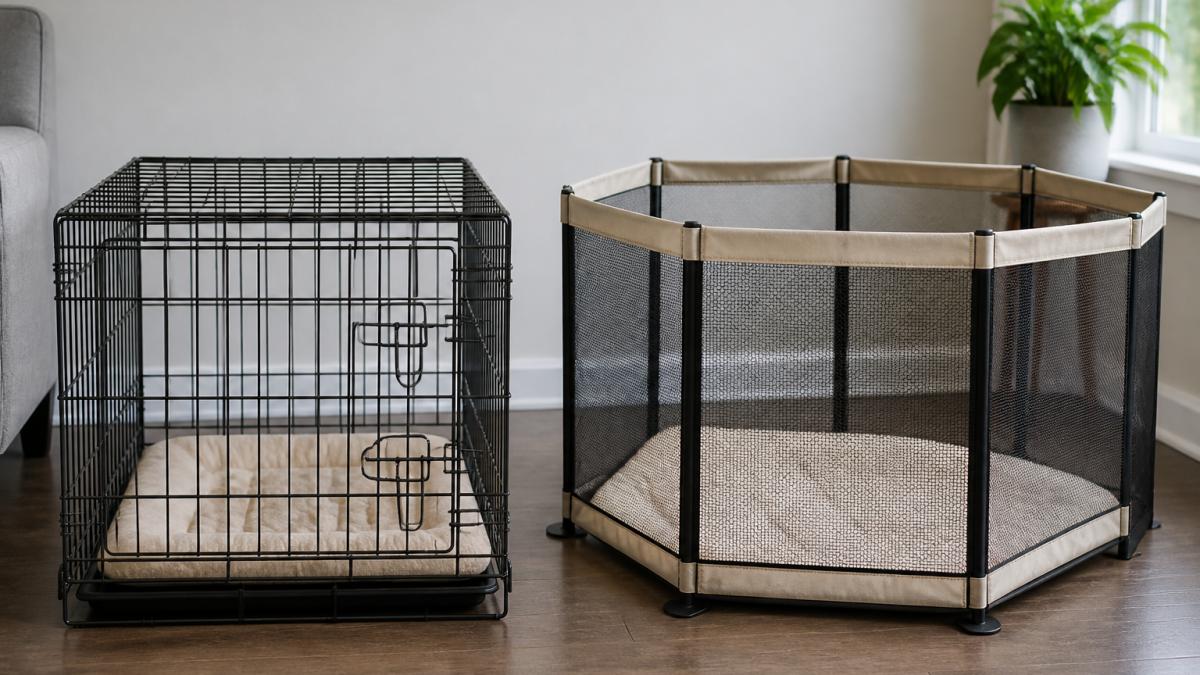
A crate is your best house training tool, puppies don't like sleeping where they pee. Pick one your puppy can stand and turn around in; too big and they'll pee in one corner and sleep in another. Add a simple blanket as bedding, since your puppy will chew it.
Collars, Harnesses, Leashes, and ID Tags
Your puppy needs a collar and leash before leaving home; a harness is safer for young puppies since it puts no pressure on their neck. Get an ID tag immediately with your phone number, puppies slip out of collars, and tags bring them home. Microchipping is optional but smart, permanent identification if the collar is lost, and many vets offer it for under $50.
House Training and Puppy Pads
Puppy pads are controversial, but keep them on hand anyway.
Use pads in a designated area, and take your puppy outside frequently, after eating, playing, waking up, and before bed.
Accidents happen. Clean them with enzymatic cleaner. Regular cleaners don't remove the scent.
Most puppies are reliably house trained by 4-6 months. Some take longer. Patience matters more than punishment.
Chew Toys and Play Items for Mental Stimulation
Puppies chew a lot. Give them appropriate things to chew or they'll destroy your furniture.
Rubber toys like Kongs are durable. Stuff them with wet food and freeze them.
Rope toys are fine for supervised play.
Rotate toys every few days so your puppy doesn't get bored.
First Time Puppy Owner Budget Tips: Prioritize and Save
Most new-puppy guides hand you a flat list and let you guess the cost. The smarter approach: sort every purchase into three buckets, buy now, buy in the first month, and buy when your puppy grows into it.
A Realistic Starter Budget, Itemized
Prices swing by region and brand, but here's the range most owners land in for a bare-bones first setup.
| Item | Budget Range | Notes |
|---|---|---|
| Food and water bowls (stainless) | $8-$20 | Ceramic runs higher; plastic is cheapest but cracks and holds bacteria |
| Puppy food (first 3-4 weeks) | $20-$45 | Buy the exact formula the breeder or shelter used |
| Crate (adjustable, 24-30 in.) | $35-$90 | Wire crates with divider panels cost more but grow with the puppy |
| Collar + 4-6 ft. leash | $12-$30 | Adjustable nylon is fine; skip leather until chewing stops |
| ID tag | $5-$15 | Include your phone number; microchip is separate |
| Basic chew toys (3-4) | $15-$35 | One durable rubber toy plus a couple of softer options |
| Enzymatic cleaner | $10-$20 | Regular cleaners don't remove the scent that triggers repeat accidents |
| Puppy pads (if using) | $12-$25 | Skip if you're going straight to outdoor training |
| Baby gate | $20-$40 | Cheaper than replacing chewed baseboards |
A no-frills first setup typically lands between $150 and $320, before veterinary care, the largest first-month expense.
Must-Buy Now vs. Can-Wait Items
Buy before the puppy comes home:
- Food and water bowls
- The exact puppy food they're already eating
- Crate sized to their current weight (with a divider if it's a grow-into size)
Buy in the first week or two:
- Baby gate or exercise pen
- Puppy pads if you're using them
- A second set of bowls for upstairs or the yard
Wait until the puppy grows or you know their habits:
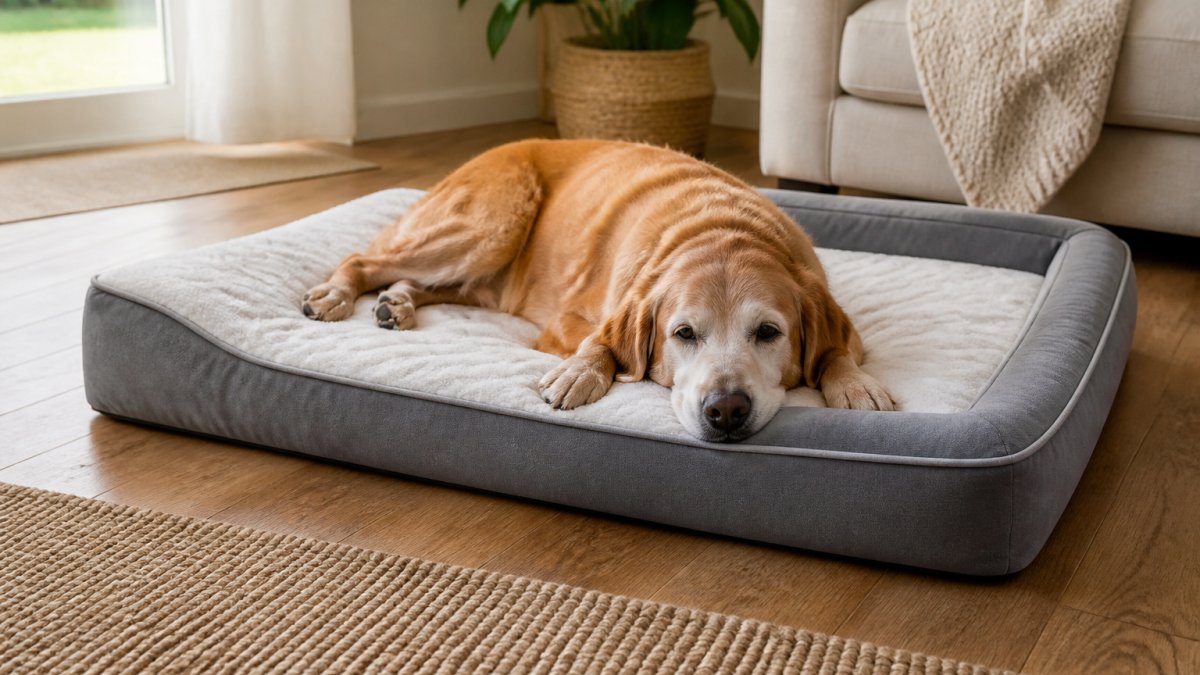
- A real bed, a folded blanket works until chewing slows
- Full grooming kit, most puppies don't need a bath in month one
- Multiple toy sets, rotate two or three instead
Where the Money Actually Goes Wrong
The biggest overspend isn't the gear, it's buying the wrong size. A crate that fits an 8-week-old is useless at 16 weeks; an adjustable crate with a divider costs more upfront but replaces two or three cheap crates. Same with collars: buy adjustable nylon, not a fixed size.
Ongoing Costs Beyond the Shopping List
The checklist is only the start. Your first month also includes:
- Veterinary visit and vaccinations, the largest single line item; call ahead for a quote
- Deworming and flea/tick prevention, often bundled with the first vet visit
- Training treats, cheap, but you'll go through them fast
Budget for gear and care together, a $200 supply run means little if the first vet visit catches you off guard.
Safe Secondhand and DIY Options
Used crates are a top budget win, check for bent bars, broken latches, or sharp edges, then wash thoroughly. Secondhand toys are fine only if intact; skip anything with holes, tears, or missing squeakers, since a puppy can swallow the stuffing. Homemade toys work if you supervise, a knotted old sock or a plastic bottle slipped inside a sock gives a puppy something to chew and chase, but remove it the moment it starts to come apart.
Puppy Size and Growth: Buy Adjustable, Not Disposable
Puppies roughly double their 8-week weight by 4 months, and large breeds grow faster. That means:
- Crates should be sized for the adult dog with a divider panel to shrink the space while the puppy is small
- Harnesses and collars should be adjustable across at least a few inches
- Bowls can stay the same size for months, no need to upgrade
Buying adjustable gear once beats buying cheap gear three times.
2026 Price Notes
Basic puppy gear prices have crept up modestly with inflation, but the biggest change is selection, online retailers and warehouse clubs now carry starter bundles that undercut pet-store pricing on bowls, crates, and pads. Compare before you commit, and call two or three clinics for a first-visit quote rather than assuming a national average.
Puppy Proofing on a Budget: Prevent Costly Damage
Puppies explore with their mouths, so move anything valuable or dangerous. Remove electrical cords, cover outlets, and lock up medications and cleaning supplies. Baby gates ($20-40) block off rooms and keep your puppy in a safe area while you're busy. Close closets and cabinet doors, a closed door is easier than constant supervision.
Grooming and Cleanup Supplies for the First 30 Days
What you need for grooming in month one depends on your puppy's coat, and cleanup is where most of your daily effort and money goes.
Match the Grooming Kit to the Coat
A short-haired puppy (beagle, boxer, lab) needs only a rubber curry brush and nail clippers. A double-coated breed (husky, golden retriever, German shepherd) needs an undercoat rake and slicker brush used weekly.
Bare-minimum kit for any puppy:
- Nail clippers or a grinder, $10-$25
- A brush suited to the coat, $8-$30
- Puppy-safe shampoo, $8-$15
Skip for now: full grooming clippers, blow dryers, and cologne sprays, a professional groomer is cheaper than buying the wrong tool.
Nail Trimming: Start Early, Go Slow
Nails are the task owners avoid, and avoidance makes it harder later. Handle your puppy's paws daily for a few seconds, then introduce the clipper without cutting.
A grinder is more forgiving than clippers if you're nervous about cutting too short. Keep styptic powder on hand in case you nick the quick.
Bathing: Less Than You Think
Most puppies don't need a bath in the first month unless they get into something. When you do, use puppy-formulated shampoo, adult and human shampoos strip oils or irritate skin. Rinse thoroughly; leftover shampoo causes itching.
Dental Care Starts Now
Dental disease is one of the most common problems vets see in adult dogs, and it starts young. A finger brush and puppy toothpaste (never human toothpaste) cost under $15 combined. Aim for a few short sessions a week. If your puppy won't tolerate it, a dental chew is a reasonable backup.
Cleanup Supplies: The Real Workhorses
Accidents are guaranteed, so cleanup gear matters more than grooming gear in month one.
- Enzymatic cleaner, $10-$20. This is non-negotiable. Regular household cleaners leave behind the scent compounds that tell a puppy "this is the bathroom spot." Enzymatic cleaners break those down.
- Paper towels or reusable absorbent pads, keep a dedicated stack near the accident zone
- A dedicated scrub brush or sponge, don't cross-contaminate with kitchen tools
A Note on Puppy Pads and Cleanup Overlap
If you're using pads, buy in bulk, per-pad cost drops sharply at larger counts. If you're training outdoors from day one, skip pads and put that money toward enzymatic cleaner and towels. Either way, the cleaner is the one supply you should never run out of.
What You Can Wait On
- Professional grooming appointment, schedule one once your puppy is fully vaccinated and you know their coat
- Fancy brushes or show-grade tools, a basic brush does the job in month one
- Dog cologne or deodorizing sprays, unnecessary and often irritating
Buy the basics, learn your puppy's coat, and upgrade once you know what you're dealing with.
Your Budget Friendly Puppy Supplies Checklist
Here's what you need right now:
| Item | Why It Matters | Timeline |
|---|---|---|
| Food and water bowls | Feeding basics | Buy now |
| Puppy food | Nutrition, consistency | Buy now |
| Crate | House training, safety | Buy now |
| Collar and leash | Control, safety | Buy now |
| ID tag | Lost puppy recovery | Buy now |
| Basic toys | Mental stimulation, chewing outlet | Buy now |
| Puppy pads | Accident management | Buy now |
| Baby gate | Safe space containment | Buy in first week |
| Enzymatic cleaner | Accident cleanup | Buy now |
| Blanket for bedding | Comfort, warmth | Use what you have |
Starting smart saves money: focus on essentials first, and upgrade later as your puppy grows.
Dog Products and More makes this easier. We stock everything on this list. Browse our curated selection of puppy essentials.
Frequently Asked Questions
What are the absolute must-have supplies for a new puppy?
Start with food and water bowls, age-appropriate puppy food, a crate for sleeping and training, a collar and leash, identification tags, chew toys, and puppy pads for house training. These essentials cover feeding, safety, rest, and basic training needs during your puppy's first 30 days at home. Additional items like grooming supplies and cleaning products can follow once your puppy settles in.
How can I save money on puppy essentials without sacrificing quality?
Prioritize must-buy items first and delay non-urgent purchases. Look for safe secondhand options like gently used crates and beds. DIY solutions, such as using old blankets for bedding or making simple toys, can reduce costs. Buy in bulk when possible, compare prices across retailers, and watch for seasonal sales. Focus spending on items that directly affect your puppy's health and safety, like quality food and secure collars.
What should be included in a first-time puppy owner's budget?
Your budget should cover immediate essentials: food and water bowls, puppy food, a crate, collar and leash, ID tags, toys, puppy pads, and cleaning supplies. Factor in grooming basics and pet-proofing supplies. Costs vary by puppy size and breed, so adjust quantities accordingly. Consider your puppy's growth, larger breeds need bigger equipment sooner. Set aside funds for unexpected needs during the adjustment period.
Are there specific puppy supplies that are worth the extra investment?
Yes. A sturdy, appropriately sized crate pays for itself through faster house training and reduced destructive behavior. Quality bedding in the crate promotes comfort and better sleep. A reliable collar and leash ensure safety during walks. Durable chew toys reduce boredom-related damage. Investing in these items early prevents costly furniture damage and behavioral issues, making them smart long-term purchases for new puppy owners.
Bringing a puppy home means making smart choices fast. The essentials matter. Everything else can wait. Shop for the items that actually make a difference in those first 30 days, and you'll save money while setting your puppy up for success. Dog Products and More offers reliable, affordable supplies chosen specifically for new dog owners. Shop now and get your puppy started right.