 Listicle
Best Dog Grooming Brushes Tested for 2026
Last Updated: November 21, 2026
Quick Summary
The best dog grooming brushes depend on coat type: a rubber grooming brush suits short coats, a slicker brush or stainless steel needle comb suits long coats, and an undercoat rake plus slicker suits double coats. Use light pressure, short strokes, and clean the brush after every session.
- Short coats do well with a rubber grooming brush that lifts loose hair with less pressure.
- Long coats need a slicker brush or stainless steel needle comb, worked in sections from the skin outward.
- Double coats need an undercoat rake to pull out loose undercoat, then a slicker to finish.
- Press lightly and use short strokes, since hard pressure can cause brush burn and skin irritation.
- Clean the brush after each session and replace it once pins are bent or bristles splay outward.
Table of Contents
- How We Evaluated These Dog Grooming Brushes
- Best Overall Dog Grooming Brushes for 2026
- Best Dog Brush for Shedding Short Hair
- Best Dog Brush for Shedding Long Hair
- Best Dog Brush for Double Coat
- Best Professional Dog Grooming Brushes Compared
- Choosing the Right Brush and Keeping It Clean
- Start Your 2026 Grooming Routine with the Right Brush
- Frequently Asked Questions
How We Evaluated These Dog Grooming Brushes
Choosing the best dog grooming brushes in 2026 starts with one question: which brush actually removes loose undercoat without irritating the skin underneath? This list is organized around that test, sorting grooming tools by coat type and use case rather than by star rating alone.
Shedding is the main reason owners shop for a new brush. A slicker brush handles surface tangles well but can struggle with dense undercoat, while a pin brush or rubber curry is generally suited to short coats. For a self-cleaning slicker brush that removes loose undercoat quickly, see the product page. A good grooming brush should reach the undercoat, be gentle on sensitive skin, be easy to clean, and be good value over time.
A brush that clogs after two sessions or loses its bristles quickly is a poor value even at a low price.
Watch out: pressing hard with a slicker brush can scratch the skin and cause irritation. Light, short strokes work better for most dogs.
Best Overall Dog Grooming Brushes for 2026
A combo brush such as the Hartz Groomer's Best Combo Dog Brush covers more than one grooming task with one tool. Check the product page for current pricing, bristle materials and dimensions before buying.
Owners who want a dedicated slicker for routine coat care may consider the Chris Christensen Slicker Brush. Verify the exact model and current price before you buy.
The Bodhi Dog Bath Brush suits owners who groom during washing, as it can help loosen dead hair while the dog is wet.
Our pick: start with the combo brush if you want one tool for everything. Add a slicker if your dog has frequent mats.
Best Dog Brush for Shedding Short Hair
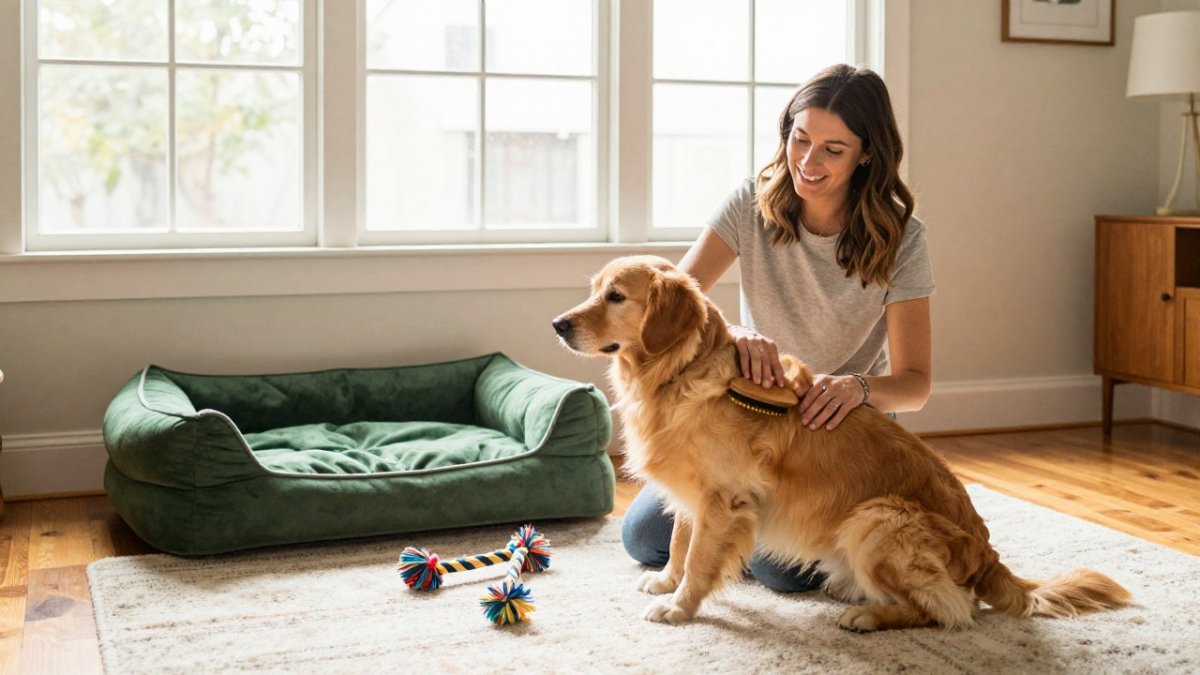
For short coats, a rubber grooming brush is generally suitable. Rubber bristles grip loose hair and can lift it out with less pressure than a wire brush needs.
Rubber brushes work best with light pressure in the direction of hair growth. Pressing hard can irritate the skin, so keep sessions short if your dog is sensitive. Check the current price on the product page before you buy.
Common mistake: owners of short-haired dogs often skip brushing because the coat looks clean. Loose hair still builds up, and a weekly session with a rubber brush keeps shedding under control.
Best Dog Brush for Shedding Long Hair
Long coats tangle more easily, so a slicker brush or a stainless steel needle comb usually works better here. Stainless steel needle combs are a common choice for removing loose fur and tangles from long coats. Needle combs reach down toward the skin, and they are gentle when used with short, controlled strokes.
Brush from the skin outward in sections. Work through one area before moving to the next, and comb through any mats gently instead of pulling. Watch for skin redness after each session, which can signal too much pressure.
Best Dog Brush for Double Coat
Double coats are two coats in one: a longer, weather-resistant topcoat over a dense, woolly undercoat. The undercoat is what sheds, heavily, in seasonal bursts, while the topcoat is what you see. That structure is why a brush for double-coated dogs has to reach past the topcoat without scraping the skin, and why the right tool changes with the season.
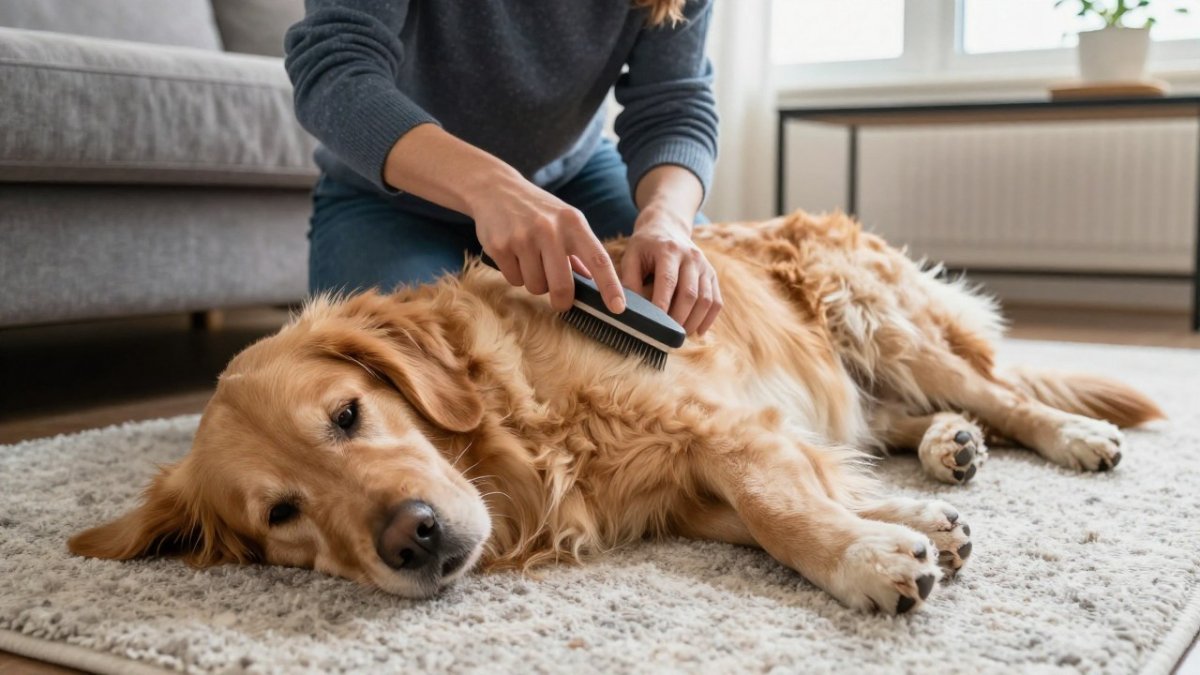
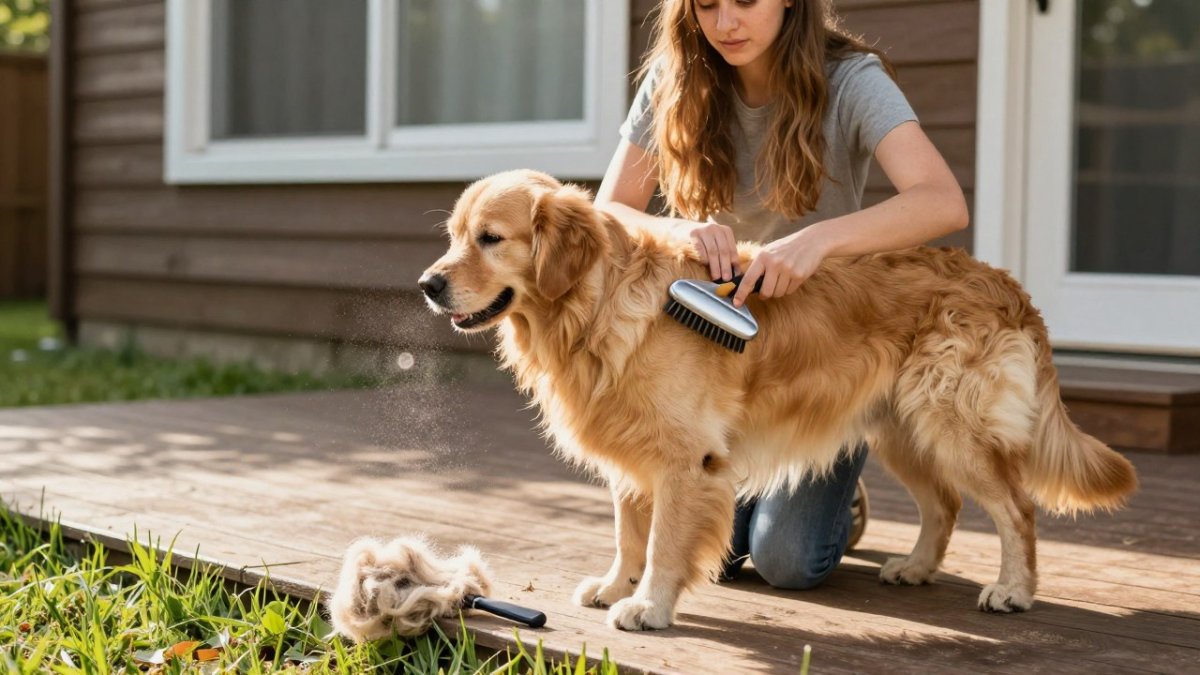
For most double-coated dogs, the working combination is an undercoat rake or deshedding tool for the dense layer plus a slicker or pin brush for the topcoat and finish. A rake's short, angled teeth slide under the topcoat and pull out loose undercoat in clumps; a slicker then smooths the surface and catches what the rake loosened. Used alone, a slicker mostly skims the topcoat and leaves the undercoat packed in, which is a common reason owners think their brush "stopped working."
Technique matters more with double coats than with any other coat type. Work in sections, starting at the rear and moving forward, and brush in the direction of hair growth with short strokes. Use the rake first to break up the undercoat, then the slicker to finish. Don't dig the rake in at an angle or press until you feel skin, the teeth should glide under the loose coat, not scratch it. Watch out: if you see redness, dandruff, or your dog flinches when the tool touches a spot, stop and switch to a softer tool or a lighter pass; brush burn on a double coat is easy to cause and slow to heal.
Seasonal timing is the other half of double-coat care. Most double-coated breeds blow their undercoat once or twice a year, and during those weeks daily sessions with a rake are normal, the coat releases far more hair than a weekly routine can keep up with. Outside shedding season, once or twice a week is usually enough to keep the undercoat from packing. Bathing loosens undercoat too, which is why a mitt or rubber curry used on a wet dog can pull out a surprising amount of hair in one session.
Best for: owners of double-coated breeds who want to deshed and dry in one pass, or who need a compact tool for travel. Skip if: your dog is sensitive around the legs and belly, or if you only need light surface grooming, a slicker or pin brush alone will do.
Best Professional Dog Grooming Brushes Compared
| Brush | Starting Price | Best For | Main Caveat |
|---|---|---|---|
| Les Poochs Slicker Brush | $85 (reported range $85-$120) | Groomers, heavy use | Much higher cost |
| Andis 7.5-inch Greyhound Comb | About $9 | Finishing and detangling | Comb, not a brush |
| Burt's Bees Double-Sided Pin and Hemp Bristle Brush | Not shown | Owners wanting two brush types | Coat suitability not confirmed |
| Chris Christensen Slicker Brush | About $46 (listed for the Oval Dog Brush) | Routine coat care | Model match not confirmed |
Best for: owners who groom several dogs or want durable tools. Skip if: you groom one pet at home, because the lower-cost options cover most needs.
Choosing the Right Brush and Keeping It Clean
Most brush roundups stop at the product list. The part that actually decides whether a brush works, how you use it, how you clean it, and how often you pick it up, is where owners get the most value, so this section covers the routine rather than another product.
Match the tool to the coat first. Short, smooth coats do well with a rubber curry or bristle brush, which grips loose hair without wire points. Long coats need a slicker brush for surface tangles plus a stainless steel comb to check down to the skin. Double coats need a rake or deshedding tool to reach the undercoat, finished with a slicker or pin brush. If you own more than one coat type, buy for the hardest coat in the house and add a cheap companion tool rather than trying to make one brush do everything.
Use light pressure and short strokes. The most common grooming injury is brush burn, skin irritation from pressing too hard or dragging a wire slicker across the same spot. Hold the brush like a pencil, not a hammer, and let the bristles do the work. Brush in the direction of hair growth on the body, and use extra care in thin-skinned areas: the belly, armpits, inner thighs, and behind the ears. Watch out: if the skin turns pink, the dog flinches, or you see flakes that weren't there before, you are pressing too hard, ease off or switch to a softer tool for that area.
Work in sections and check with a comb. Part the coat and brush one section at a time rather than sweeping over the whole dog. After brushing, run a metal comb through the coat; if it snags, there is still undercoat or a mat underneath, and a slicker alone won't fix it. Never pull a mat out with a brush, work it loose with your fingers or a mat splitter first, or the dog will learn to hate grooming.
Clean the brush after every session. Hair trapped between bristles or pins stops the tool from gripping and can scratch the skin on the next pass. Pull out loose hair with your fingers or a comb, and once a week wash the head in warm water with a mild soap, rinse thoroughly, and dry it bristle-down so water doesn't sit in the base. For rubber curries and mitts, rinse off hair and let them air-dry fully before storing. Don't soak wooden-handled brushes, the wood swells and the head loosens.
Replace worn tools. A brush is done when pins are bent or missing, bristles splay outward, rubber nubs tear, or the head no longer grips loose hair. Bent pins scratch; splayed bristles stop reaching the coat. Most owners replace a daily-use brush within a year or two, and sooner if it is used on multiple dogs. Buying a slightly better brush that lasts is usually cheaper over time than replacing a bargain brush twice.
Set a frequency that matches the coat. Short coats: once a week. Long coats: every two to three days to prevent mats. Double coats: once or twice a week normally, daily during seasonal shedding. Bathing loosens undercoat, so brush before and after a bath. Puppies and senior dogs do better with shorter, more frequent sessions than long ones.
Start Your 2026 Grooming Routine with the Right Brush
Pick one brush that matches your dog's coat and begin with short sessions once or twice a week. Walks and cleanup after grooming outings are easier with leak-resistant poop bags built to handle messy waste. Adjust as you learn how much loose hair your dog sheds. Browse the grooming tools at Dog Products and More to find the brush that fits your dog's coat, and check the website for current prices before ordering.
Frequently Asked Questions
What is the best dog brush for shedding short hair?
For short-haired dogs, a rubber curry brush or a soft bristle brush usually removes loose hair best while being gentle on the skin. Rubber brushes lift dead hair from the coat during a weekly session, and a grooming glove works well for sensitive dogs. Pair brushing with a bath every few weeks to loosen hair before it reaches your furniture. Check the website for current pricing, as costs depend on quantity and delivery.
What is the best brush for a dog with a double coat?
Double-coated breeds need a tool that reaches the dense undercoat, so an undercoat rake or a pin brush paired with a slicker brush works better than a single soft brush. Brush in the direction of hair growth, then go back over the topcoat to remove tangles. During heavy seasonal shedding, brushing two to three times a week helps prevent mats. Prices vary by model, so visit the website for current options and availability.
How often should you brush your dog?
Most dogs benefit from brushing one to three times a week, while long-haired or double-coated dogs often need daily sessions during shedding season. Short-coated dogs may only need a weekly brush with a rubber or bristle tool. Regular brushing spreads natural oils, reduces loose hair and catches mats before they tighten against the skin. Keep sessions short and positive, and stop if your dog shows discomfort.
What brushes do professional dog groomers use?
Professional groomers typically rely on slicker brushes for smoothing and detangling, pin brushes for lifting coat, undercoat rakes for heavy shedding, and curry brushes during bathing. Many also keep a metal comb to check for tangles close to the skin. Higher-priced professional slicker brushes are often praised for durability, though a well-cared-for consumer brush can serve most home routines. Dog Products and More offers grooming tools suited to home use; see the website for current prices.