 listicle
Canine Winter Coats: 9 Best Picks for Cold Weather
Last Updated: October 23, 2026
Quick Summary
The best canine winter coats match insulation, waterproofing, and fit to your dog's body and local weather. Short-haired, small, senior, and lean dogs benefit most, while thick double-coated breeds often stay comfortable without a coat. Prices in our 2026 comparison start at $21.99 and run to $85.00.
- The Hurtta Expedition Parka at $85.00 is our best overall pick for extreme cold and short-haired dogs.
- Measure back length from the base of the neck to the base of the tail and chest girth behind the front legs.
- Waterproof shells block moisture entirely, while water-resistant coats soak through in sustained wet weather.
- Active dogs do better with a jacket that covers the core and leaves the belly and legs free.
- Remove the coat indoors and watch for panting or restlessness, since a winter coat can overheat a dog.
Table of Contents
- Quick Comparison: Best Canine Winter Coats for 2026
- Do Dogs Need Winter Coats? How to Tell
- Top Picks: Best Canine Winter Coats Reviewed
- Hurtta Expedition Parka: Best Overall for Extreme Cold
- Ruffwear Fjord Lined Jacket: Best for Active Dogs
- Spark Paws WarmShield: Best Water-Resistant Everyday Jacket
- Kuoser Waterproof Dog Coat: Best Budget Option
- Alpine All-Weather Coat: Best for Heavy Snow and Freezing Rain
- Petrageous Designs Juneau Coat: Best Everyday Quilted Coat
- Geyecete Greyhound Fleece Jumper: Best for Sighthounds
- Morezi Whippet Winter Coat: Best Tailored Whippet Fit
- Chewy Insulated Coat: Best Entry-Level Pick for Mild Winters
- Waterproof Dog Coats vs. Water-Resistant: What Winter Actually Requires
- Dog Coat Sizing Guide: Measure Once, Fit Right
- Dog Coats With Harness Openings: Layering Without the Bulk
- Safety, Overheating, and Care: What to Watch After You Buy
- Conclusion: Choosing the Right Canine Winter Coat
- Frequently Asked Questions
Quick Comparison: Best Canine Winter Coats for 2026
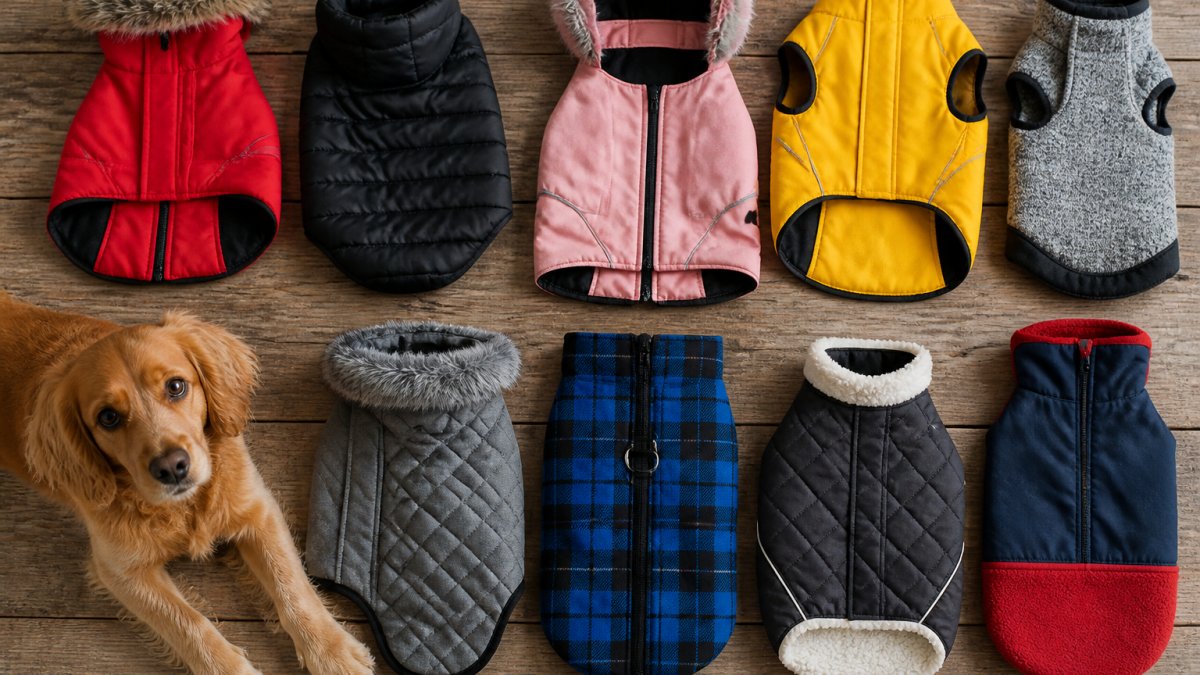
Choosing among canine winter coats comes down to matching insulation, waterproofing, and fit to your dog's body and local weather. This guide from Dog Products and More helps you understand different use cases, from extreme-cold parkas to everyday jackets.
| Coat | Starting Price | Best For | Waterproofing |
|---|---|---|---|
| Hurtta Expedition Parka | $85.00 | Extreme cold, short-haired dogs | Weatherproof |
| Ruffwear Fjord Lined Jacket | $59.99 | Active dogs | Weather-resistant |
| Spark Paws WarmShield | $35.00 | Everyday walks | Water-resistant |
| Kuoser Waterproof Dog Coat | $23.79 | Budget buyers | Waterproof |
| Alpine All-Weather Coat | $39.99 | Heavy snow, freezing rain | Waterproof |
| Petrageous Juneau Coat | $40.00 | Everyday quilting | Water-resistant |
| Geyecete Greyhound Jumper | $25.00 | Sighthounds, dry cold | Not waterproof |
| Morezi Whippet Coat | $28.00 | Whippets | Water-resistant |
| Chewy Insulated Coat | $21.99 | Mild winters | Water-resistant |
Do Dogs Need Winter Coats? How to Tell
Do dogs need winter coats? Many do, but not all. Small, short-haired, senior, and lean-bodied dogs lose heat quickly and benefit most; thick double-coated breeds often stay comfortable without one.
Watch for shivering, tucked tails, lifted paws, or reluctance to walk, signals your dog is losing body temperature. A common mistake is assuming fur alone solves cold weather; short-haired and senior dogs have little insulation.
Top Picks: Best Canine Winter Coats Reviewed
Every pick below earns its place on a different strength, not a single "best" label. We consider warmth, fit, mobility, and durability against value so the information reflects real use cases.
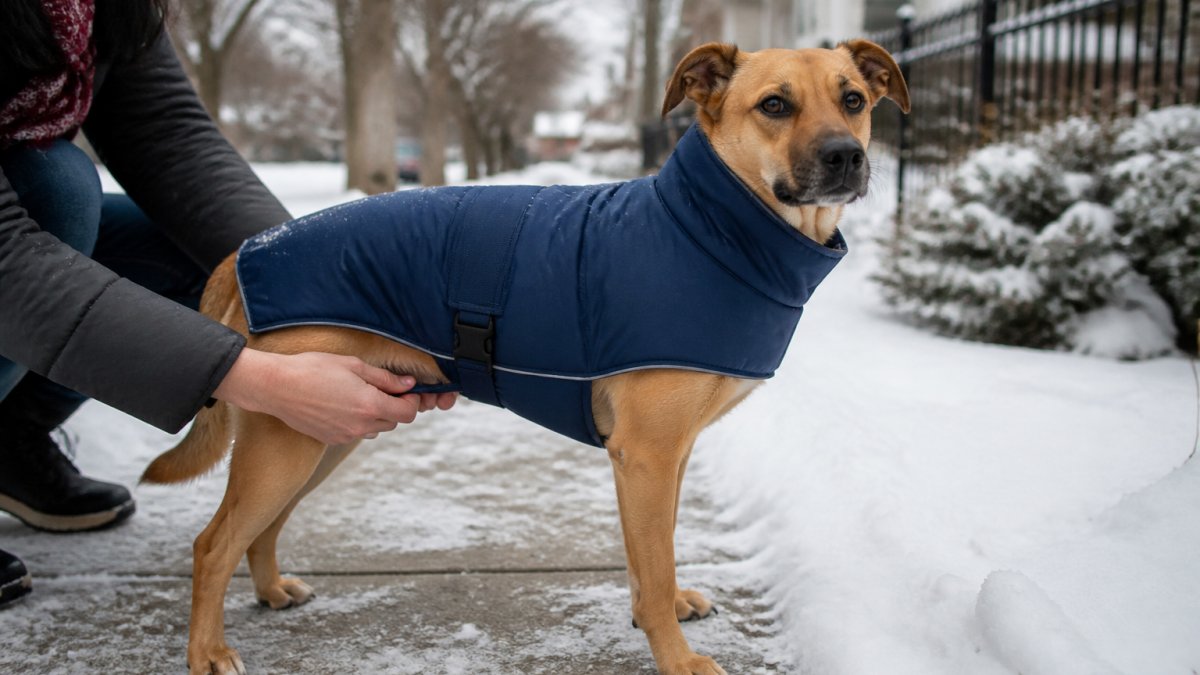
Hurtta Expedition Parka: Best Overall for Extreme Cold
The Hurtta Expedition Parka is a highly-rated canine winter coat for extreme cold, delivering full-coverage warmth with serious adjustability. Back length, collar, and neckline all adjust, and integrated reflectors improve visibility on dark walks. Short-haired and senior dogs get the most from it.
Ruffwear Fjord Lined Jacket: Best for Active Dogs
Active dogs need range of motion, and the Ruffwear Fjord is designed to deliver it. An insulated core traps warmth, side-release buckles make it easy to put on, and a leash portal keeps it harness-compatible. It offers less belly coverage than a full parka, so it suits moving dogs better than stationary ones.
Spark Paws WarmShield: Best Water-Resistant Everyday Jacket
For daily walks in light to moderate cold, the Spark Paws WarmShield balances warmth and style. The water-resistant shell and soft lining handle routine winter weather, and the leash hole simplifies layering.
Kuoser Waterproof Dog Coat: Best Budget Option
Budget buyers get real value from the Kuoser coat. It is reversible, waterproof, and uses hook-and-loop closures for quick adjustment.
Alpine All-Weather Coat: Best for Heavy Snow and Freezing Rain
When winter turns harsh, the Alpine All-Weather Coat holds up. A tough waterproof polyester shell, heavy insulation, and reinforced stitching handle snow and freezing rain. It can feel bulky on small dogs, so it fits medium and large breeds best.
Petrageous Designs Juneau Coat: Best Everyday Quilted Coat
The Juneau Coat is a comfortable, machine-washable quilted option for medium dogs. Adjustable chest and belly straps dial in fit, and reflective piping adds visibility. The size range is limited for very large breeds.
Geyecete Greyhound Fleece Jumper: Best for Sighthounds
Sighthounds have deep chests and thin coats that generic coats fit poorly. The Geyecete jumper is contoured for that shape, with a high neck and soft fleece. It is not waterproof, so reserve it for dry, cold days.
Morezi Whippet Winter Coat: Best Tailored Whippet Fit
Whippets get a purpose-built fit from the Morezi coat. The ergonomic cut, water-resistant shell, and fleece lining balance warmth and weight, with an adjustable belly strap for security. The tailored shape will not suit other breeds.
Chewy Insulated Coat: Best Entry-Level Pick for Mild Winters
For mild winter days, the Chewy Insulated Coat covers the basics. Lightweight quilting and water-resistant fabric protect against chill and light rain, and the hook-and-loop closure is simple. It is not built for sub-zero temperatures.
Waterproof Dog Coats vs. Water-Resistant: What Winter Actually Requires
Waterproof dog coats block moisture entirely, while water-resistant coats repel light rain and shed snow but soak through in sustained wet weather. That distinction is only one variable: the right coat also depends on temperature, wind, precipitation type, activity level, and time outdoors. Match the shell and insulation to the actual walk, not the calendar.
Match the coat to the conditions
| Condition | What matters most | Coat type to choose |
|---|---|---|
| Dry cold, calm, short walks | Insulation and coverage | Quilted or fleece-lined coat with belly coverage |
| Dry cold, long or active outings | Breathability and range of motion | Insulated jacket with side-release buckles and a leash portal |
| Windy, dry cold | Wind resistance | Tightly woven shell with a high collar and adjustable neck |
| Light snow or sleet | Water resistance and a quick-drying shell | Water-resistant insulated jacket |
| Wet snow that melts on contact | Full waterproofing and belly coverage | Waterproof shell with sealed seams and a belly panel |
| Freezing rain or slush | Waterproofing plus visibility | Waterproof shell with reflective trim and a high neck |
| Mild, damp days | Breathability over insulation | Light water-resistant shell or fleece |
Temperature, wind, and time outdoors
Owners often overdress dogs for short errands and underdress them for long, windy walks. Wind strips heat faster than still air, so a 30°F walk with a steady breeze feels closer to the low 20s to a short-haired dog. For short outings in dry cold, a well-insulated coat is enough. For long outings, prioritize a shell that breathes, because a dog that overheats under a waterproof layer gets damp from sweat and then chills when you stop moving.
Activity level changes the answer
A dog trotting beside you generates body heat; one sitting in a stroller or waiting at a café patio does not. Active dogs do better with a jacket that covers the core and leaves the belly and legs free. Dogs that stand still, senior dogs, and short-haired breeds need fuller coverage, a parka with belly protection and a high collar.
Shell, seams, and breathability
A waterproof rating on the hangtag is only as good as the construction behind it. Look for sealed or taped seams at the shoulders and back, a storm flap over the zipper, and a belly panel that keeps slush off the chest. Breathability matters because a coat that traps moisture leaves the undercoat damp and matted, which is worse than no coat at all.
Dog Coat Sizing Guide: Measure Once, Fit Right
A dog coat sizing guide starts with two numbers: back length and chest girth. Measure back length from the base of the neck to the base of the tail, with your dog standing square on all fours (The Ultimate Dog Apparel Measuring Guide). Measure chest girth around the widest part of the ribcage, just behind the front legs, keeping the tape snug but not tight (The Ultimate Dog Apparel Measuring Guide).
The four measurements that actually decide fit
- Neck circumference: measured at the collar line. A high-necked parka needs a neck opening that clears the throat without gaping; a fleece jumper can sit closer.
- Chest girth: the single most important number for broad-chested breeds and deep-chested sighthounds.
- Back length: base of neck to base of tail. This drives the size chart on most coats.
Fit testing after the coat is on
A size chart gets you close; a fit test gets you right. Put the coat on, fasten every closure, then check:
- Neck and throat: you should be able to slide two fingers under the neck opening. If the coat presses on the throat when your dog looks up, size up or loosen the collar adjustment.
- Shoulders and leg openings: watch your dog walk and trot. The front leg openings should clear the shoulder joint without rubbing the armpit. Redness or a rubbed patch after a 15-minute walk means the opening is too small or sitting too far forward.
- Back and tail: the rear hem should clear the tail base when your dog sits and should not drag when he squats. A coat that covers the tail base will be soiled on every walk.
- Belly and straps: the belly panel should cover the chest and underside without hanging loose enough to catch a back leg. Buckles and hook-and-loop straps should sit flat, not twisted.
- Movement: ask for a sit, a down, and a short jog. The coat should not ride up over the shoulders, slide sideways, or bunch at the neck. If it shifts, tighten the chest strap before changing sizes.
- Harness access: if you walk on a harness, put the harness on over or under the coat and confirm the leash portal lines up with the D-ring. A portal that sits an inch off-center will pull the coat sideways on every walk.
A common mistake is sizing up "to be safe." An oversized coat shifts, catches on the legs, and lets cold air in at the neck and belly, it is less warm than a snug coat, not more. If your dog is between sizes with a deep chest or thick neck, fit the chest and accept a slightly shorter back, or choose a brand with separate neck and chest adjustments.
Dog Coats With Harness Openings: Layering Without the Bulk
Dog coats with harness openings let you clip a leash through the coat instead of layering a harness on top, keeping the fit snug, avoiding bulk, and speeding up walks.
Layering works best when the coat integrates with the harness rather than fighting it. Check that the opening aligns with your harness attachment point, and confirm the coat still allows full range of motion once the harness is on.
Safety, Overheating, and Care: What to Watch After You Buy
A winter coat can overheat a dog, especially indoors or on milder days. Remove it once inside, watch for panting, restlessness, or excessive warmth, and never leave a coated dog unattended in a warm space.
Care extends the life of any coat. Most quilted and fleece styles are machine washable on a gentle cycle; check the label first.
Conclusion: Choosing the Right Canine Winter Coat
The right canine winter coat comes down to your dog's body and your weather, not the highest price tag. Match insulation and waterproofing to conditions, measure carefully, and check harness compatibility before you buy. At Dog Products and More, we curate affordable, reliable gear for every dog, with a fast, user-friendly shopping experience and a friendly team ready to help you find the right fit.
Frequently Asked Questions
Do dogs need winter coats?
Not every dog does, but many benefit. Short-haired breeds, small dogs, senior dogs, and dogs with low body fat lose heat quickly and struggle once temperatures drop near freezing. Dogs with thick double coats, like Huskies or Malamutes, usually handle cold weather without one. Watch for shivering, tucked tails, lifted paws, or reluctance to walk, which are signs your dog is uncomfortable. A well-fitted canine winter coat adds warmth without restricting movement, and it is especially useful on windy or wet days when fur alone stops insulating.
How do I measure my dog for a winter coat?
Use a soft tape measure and take two numbers. First, measure back length from the base of the neck to the base of the tail. Second, measure the widest part of the chest, just behind the front legs. Compare both numbers to the brand's size chart, since sizing varies between manufacturers. A dog coat sizing guide that relies only on weight is unreliable. If your dog falls between two sizes, size up for short-haired breeds that need layering, or size down for a snug fit on active dogs.
Are waterproof dog coats better for winter?
Waterproof dog coats matter more than most owners expect. Snow that melts on contact soaks through fabric, and a wet coat loses insulation fast, leaving your dog colder than if it wore nothing. A waterproof outer shell with a fleece lining handles both snow and freezing rain. Water-resistant jackets work fine for light flurries or quick walks, but for slush, sleet, or long outings, look for a fully waterproof shell and sealed seams.
Can a dog wear a coat over a harness?
Yes, and dog coats with harness openings make it simple. The opening lets the leash clip through the coat directly to the harness underneath, so you avoid layering a harness on top of fabric where it can slide. Check that the opening lines up with your harness's D-ring before buying, since placement varies by brand. If your coat lacks an opening, put the harness over the coat instead, and confirm straps still sit flat and do not rub behind the front legs.
How cold is too cold for a dog to go outside without a coat?
There is no single cutoff, but most veterinarians suggest paying close attention once temperatures fall below 32°F. Small dogs, short-haired breeds, puppies, and senior dogs should wear a coat at or below that point. Below 20°F, keep walks short for these dogs even with a coat on. Below 0°F, limit outdoor time to bathroom breaks for vulnerable dogs. Watch your dog rather than the thermometer alone: shivering, hunched posture, or lifted paws mean it is time to head inside.